Acepta la Diferencia

Social Awareness Campaign
for Autism-Friendly Spaces

Category :

Social Awareness Campaign

Client :

Start Date :

5 March 2025

Overview

Acepta la Diferencia is a social awareness campaign created for Otea Autismo, a Mexican organization focused on promoting autism-friendly people, services and public spaces.

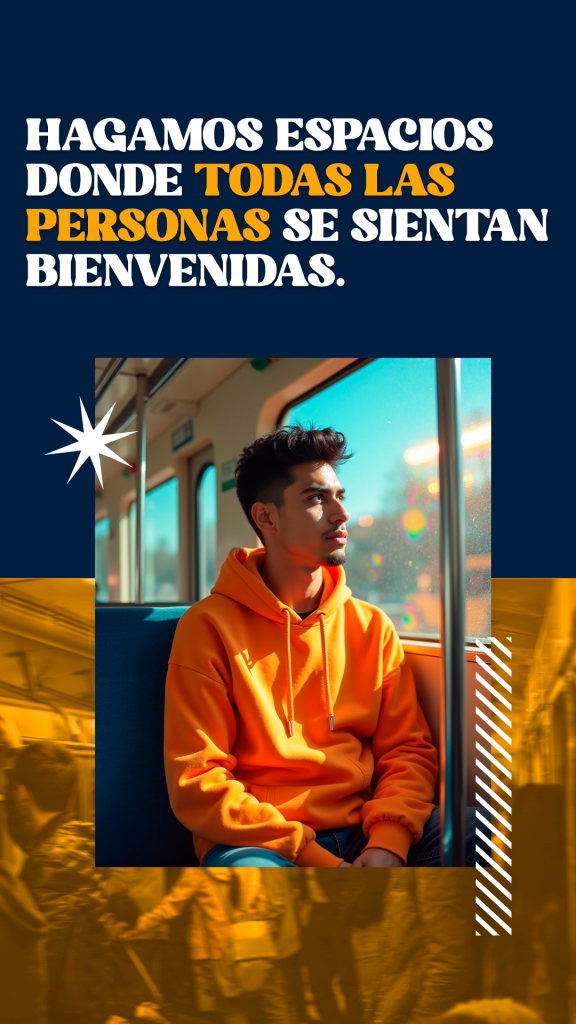
The campaign was developed as a digital-first initiative for social media, to inform, sensitize, and motivate people, businesses, and public spaces to adopt more inclusive practices for autistic people and their families. The core idea was built around a simple but powerful belief: autistic people should not have to mask, over-adapt, or behave “more normally” to participate in everyday life. Instead, society should become more informed, more empathetic, and more willing to adapt the environments we all share..

01 . The Challenge

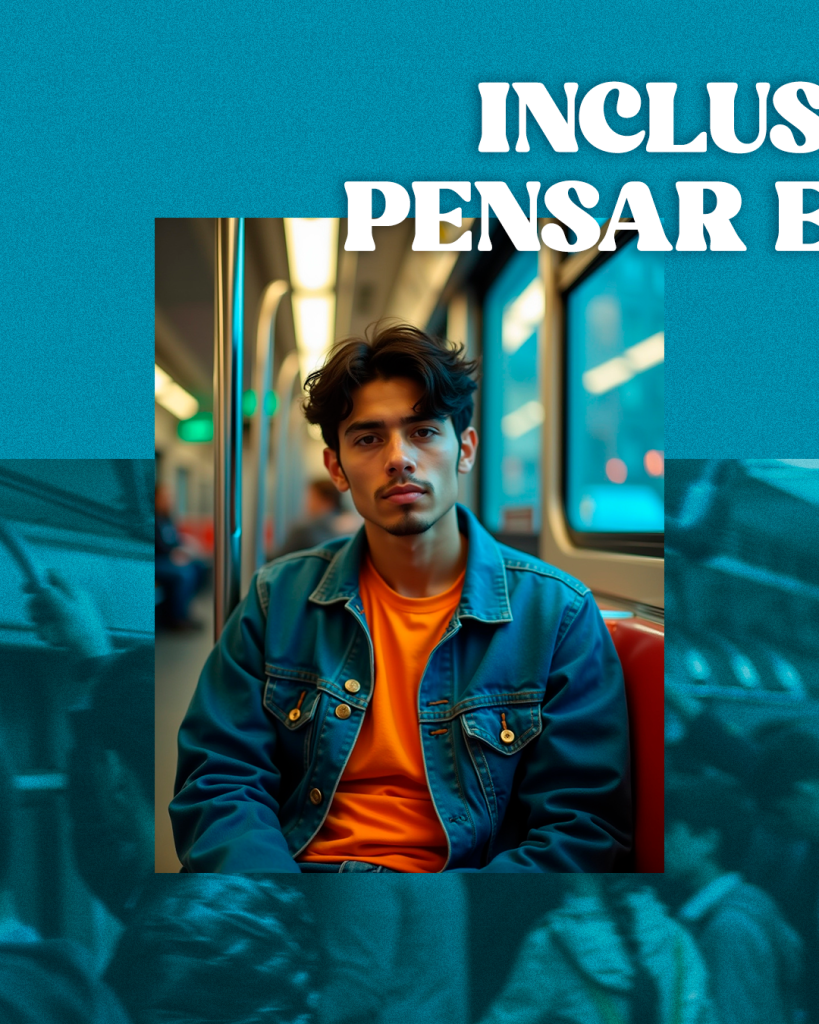
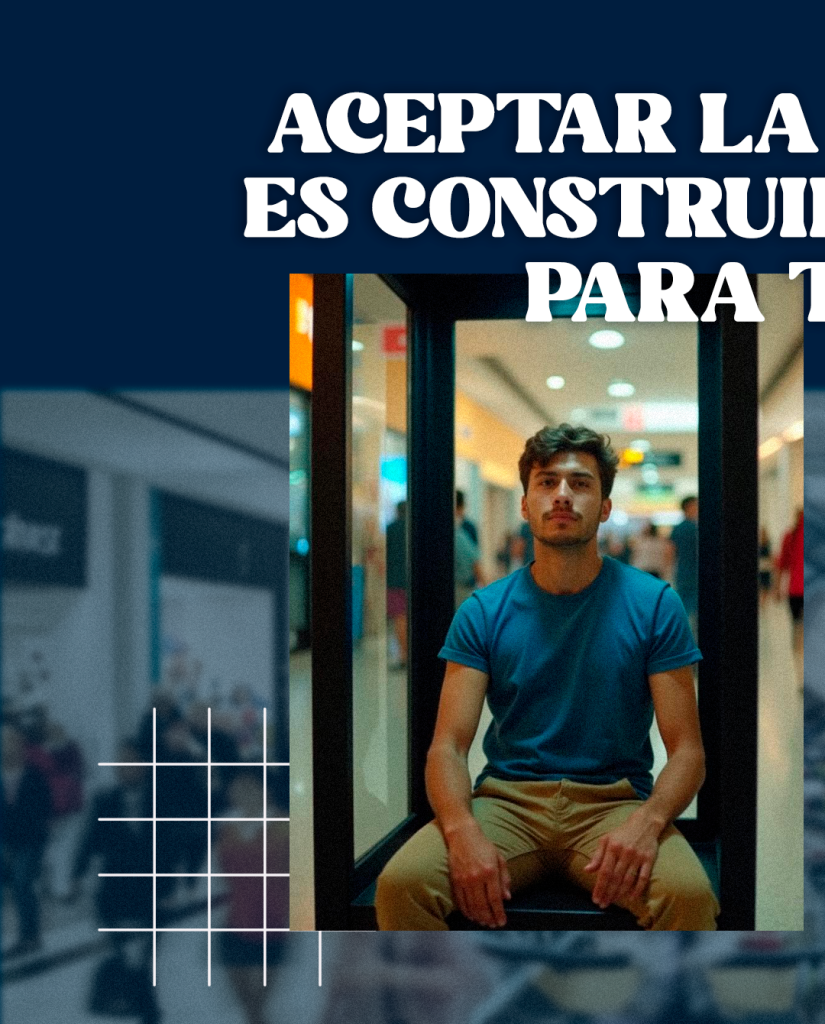
Many public spaces are designed around a single idea of how people move, communicate, wait, ask for help, or regulate themselves. For autistic people, especially children and people with higher support needs, everyday situations such as finding a bathroom, waiting in line, riding public transport, visiting a museum, or entering a crowded shopping mall can become overwhelming. The challenge was to create a campaign that could explain autism-friendly adaptations in a clear, emotional, and accessible way, without falling into pity, over-explanation, or visual clichés. The campaign needed to speak to a broad Mexican audience: families, students, workers, business owners, decision-makers, and people who may not know much about autism but can still be part of a more inclusive social shift.

02 . The Concept

Acepta la Diferencia.
Construyamos espacios que sumen.


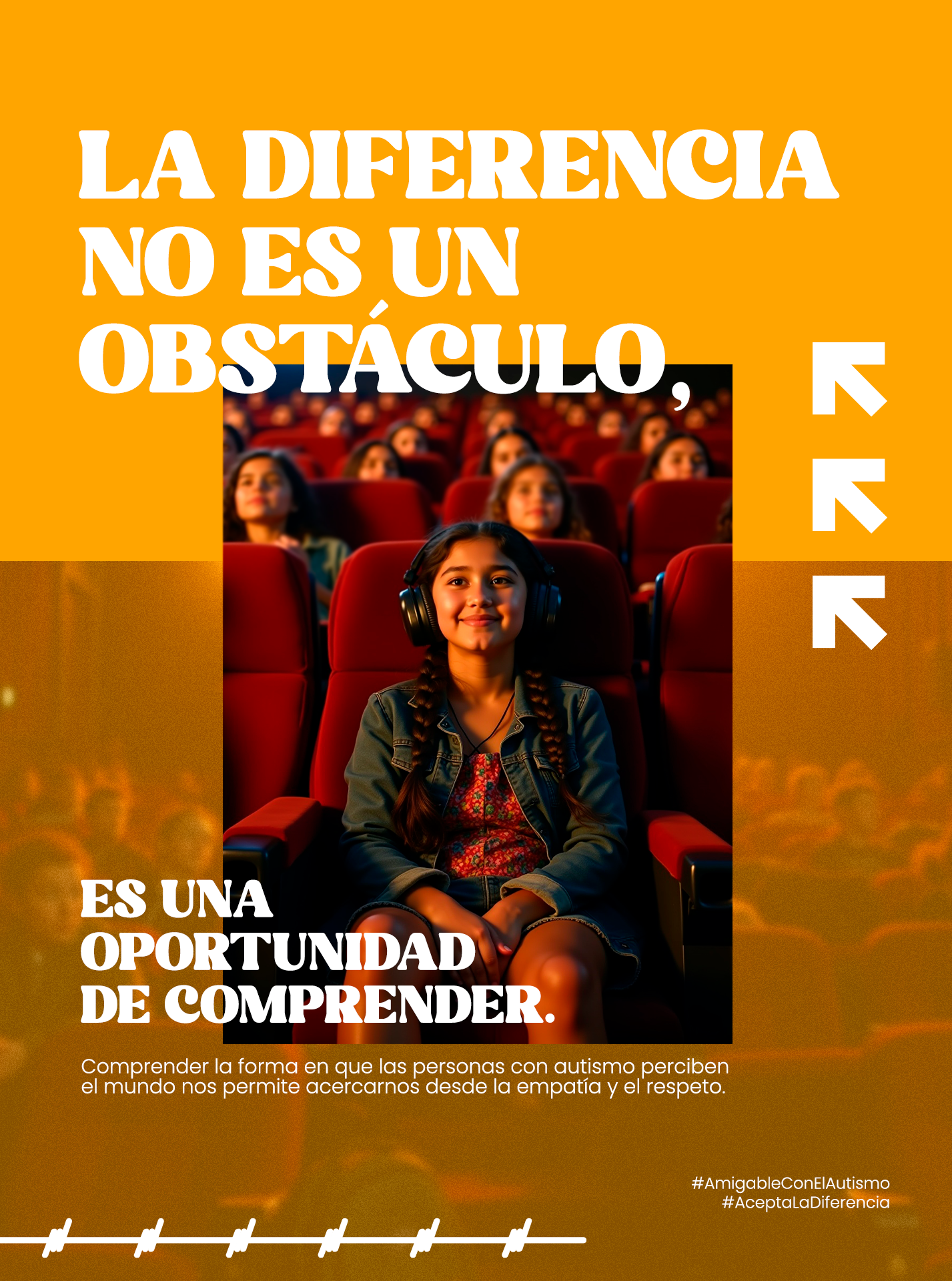
The concept invites people to stop seeing difference as a barrier and start seeing it as an opportunity to understand one another better. It positions autism-friendly adaptations not as special treatment, but as practical tools that improve everyday experiences for many people.

Insight:
“Me esfuerzo todos los días por entender un mundo que no fue hecho para mí. ¿Te animas tú a entenderme a mí?”

The insight reframes inclusion as a shared responsibility. Instead of asking autistic people to constantly adapt to environments that overwhelm them, the campaign invites society to make small but meaningful changes that create calmer, clearer and more understandable spaces.

Strategic Approach:

The campaign was designed around three main communication pillars:

1. Understanding before judgment
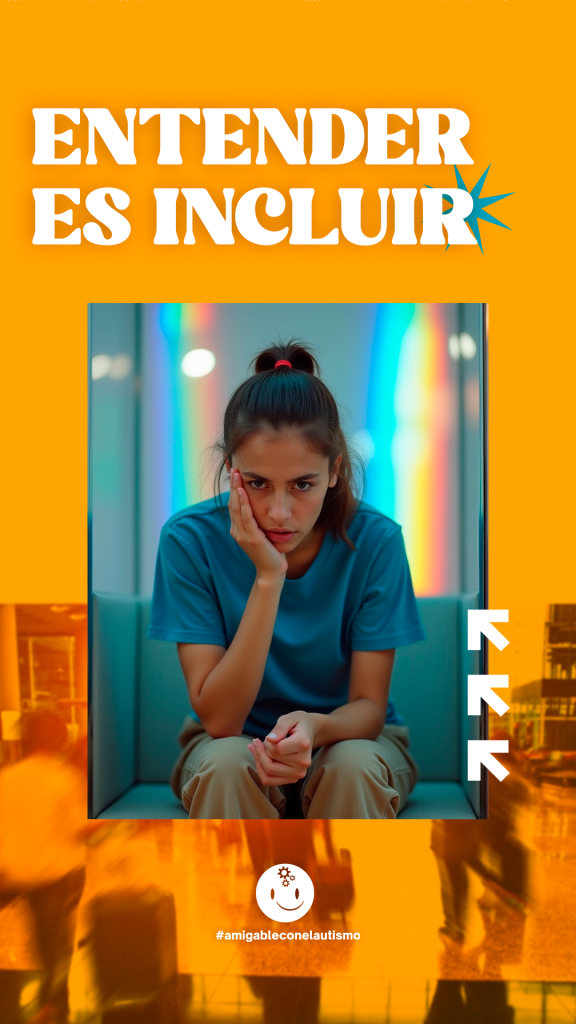
Behaviors that may seem unusual often have a function. Repetitive movements, silence, avoidance, distress or difficulty waiting can be ways of processing, regulating or responding to an overwhelming environment.

2. Small adjustments, big impact
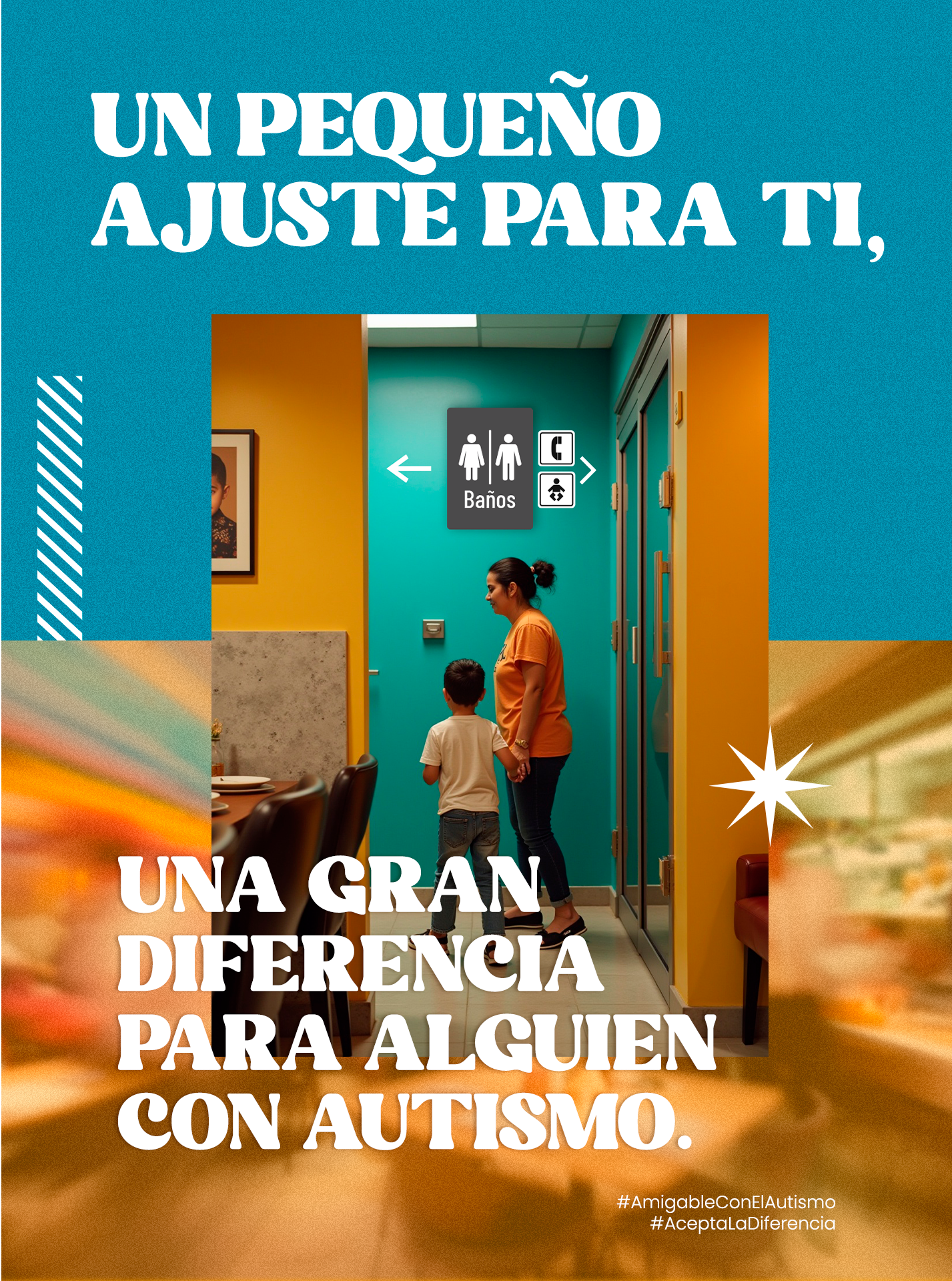
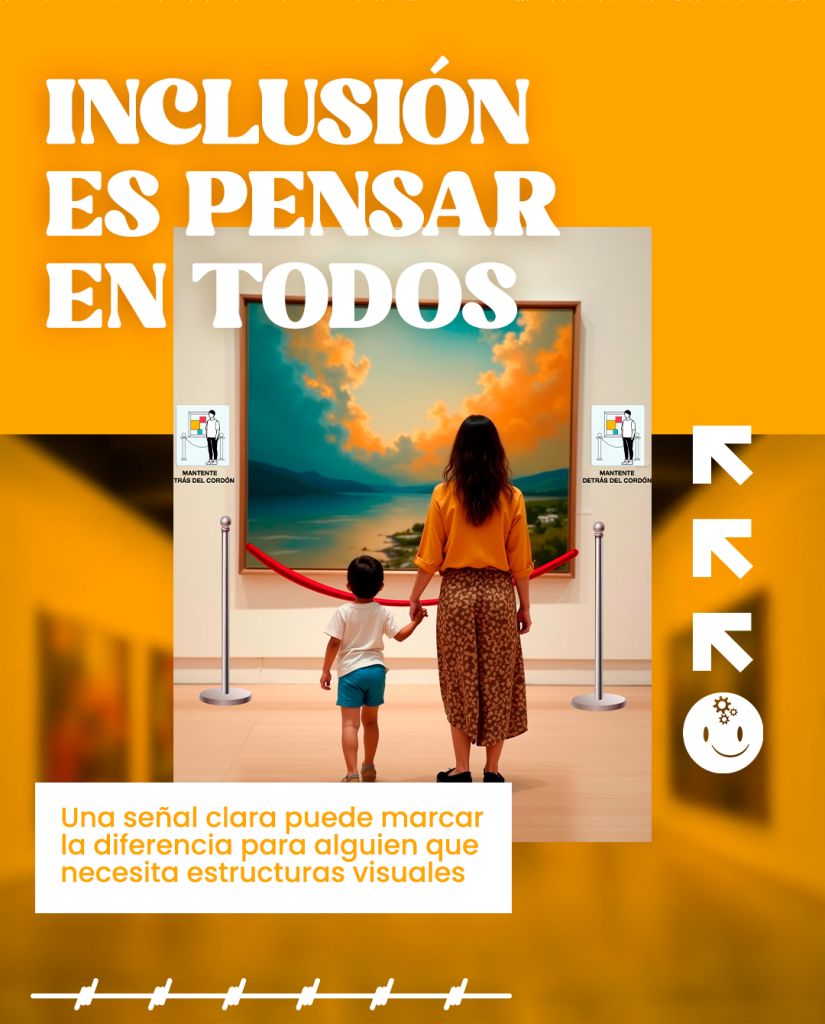
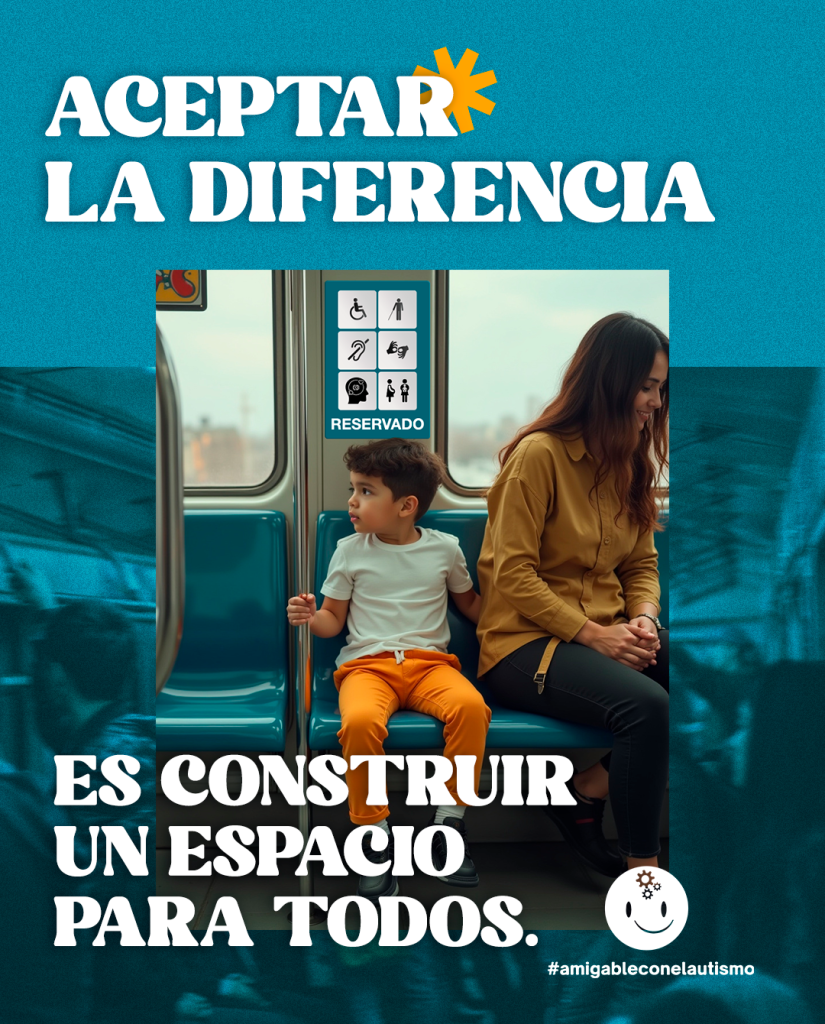
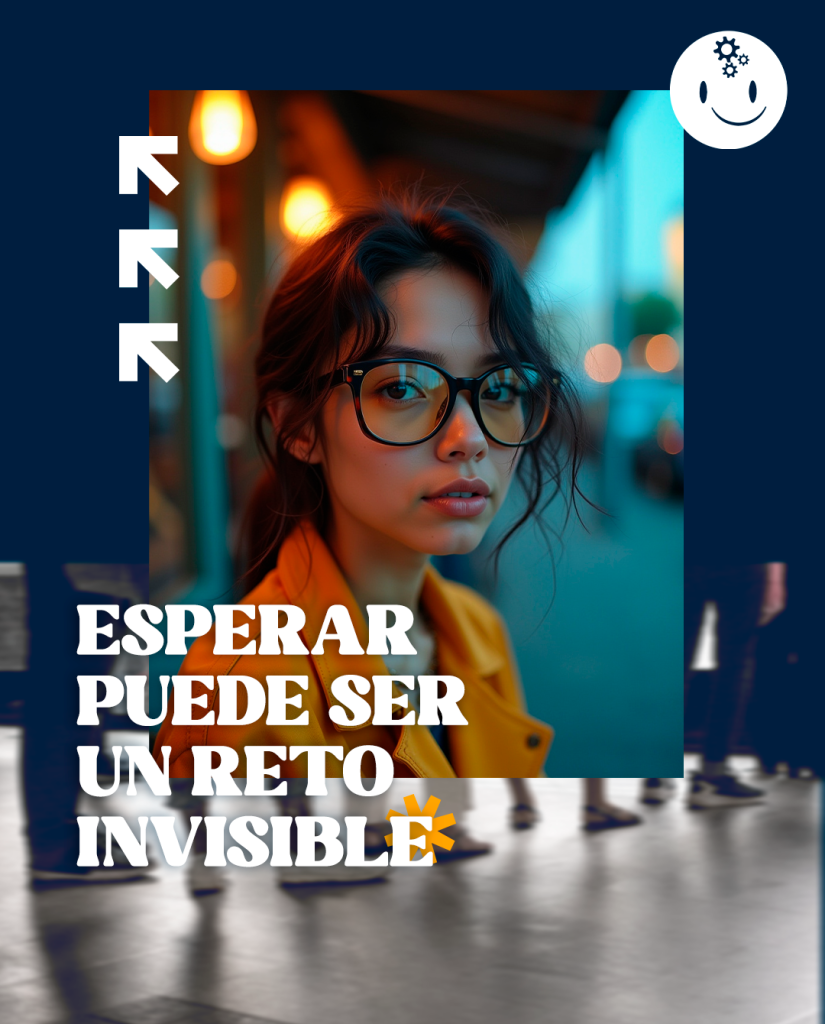
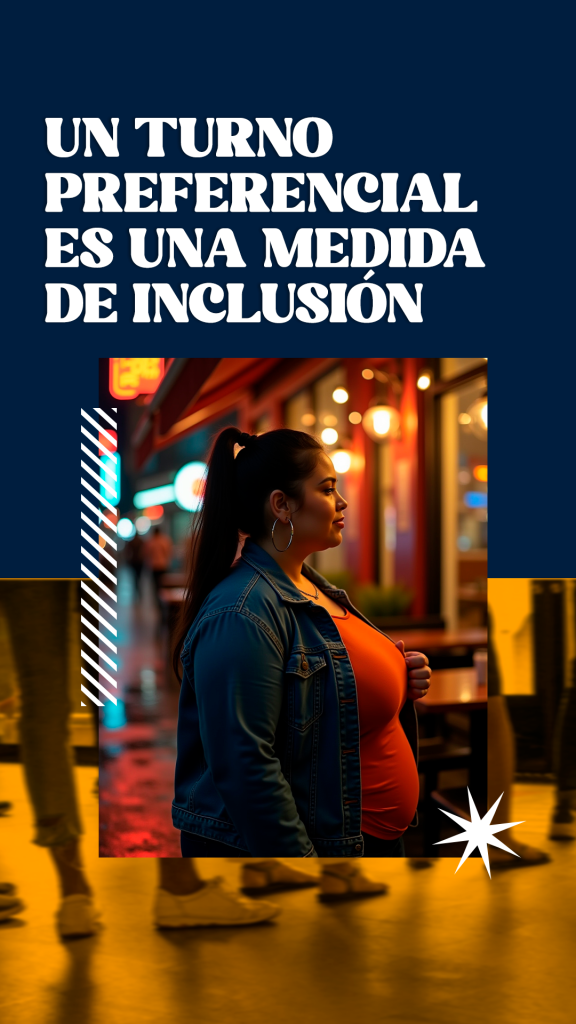
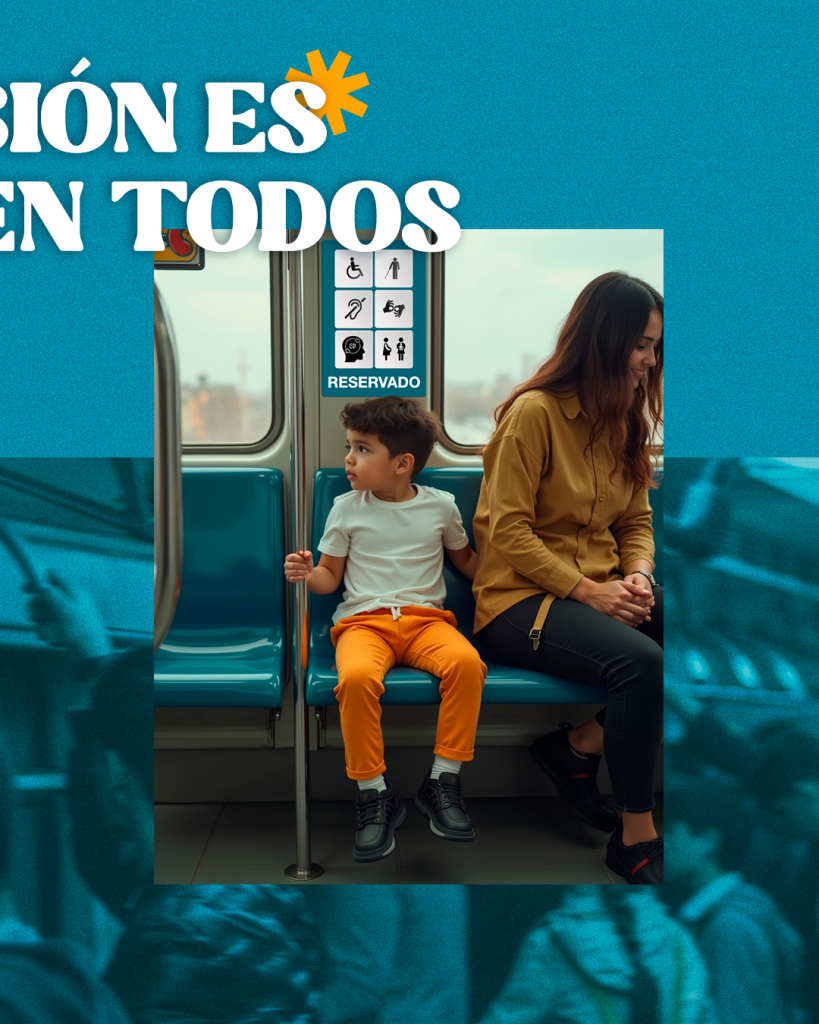
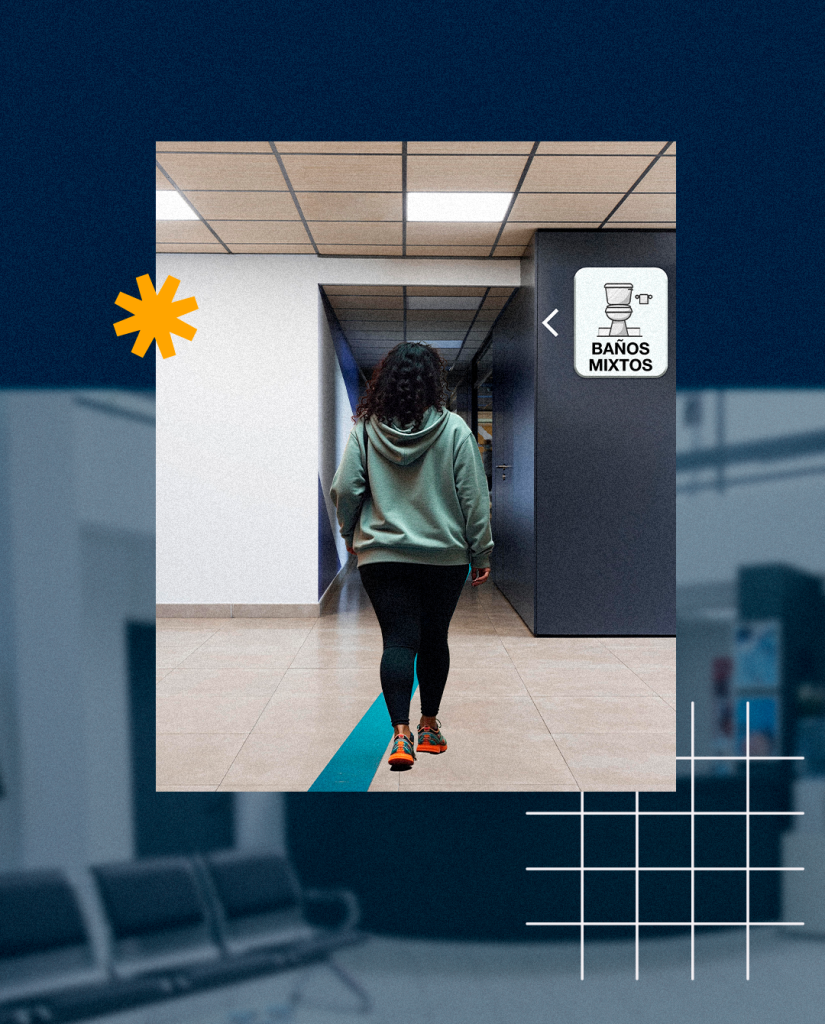
Clear signage, visual supports, quiet spaces, preferential turns, accessible bathrooms, and trained staff can dramatically improve the experience of autistic people in public spaces.

3. Inclusion benefits everyone
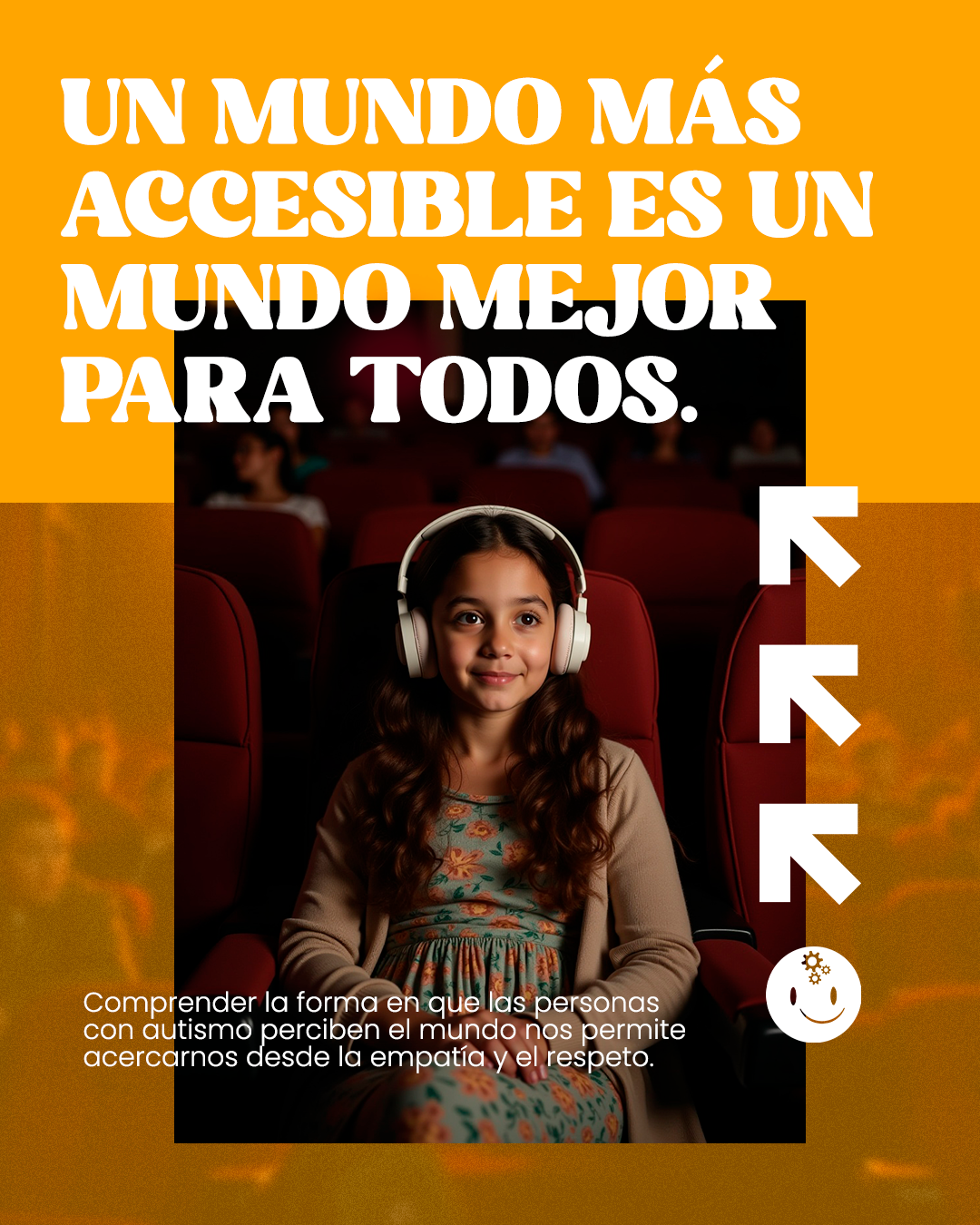
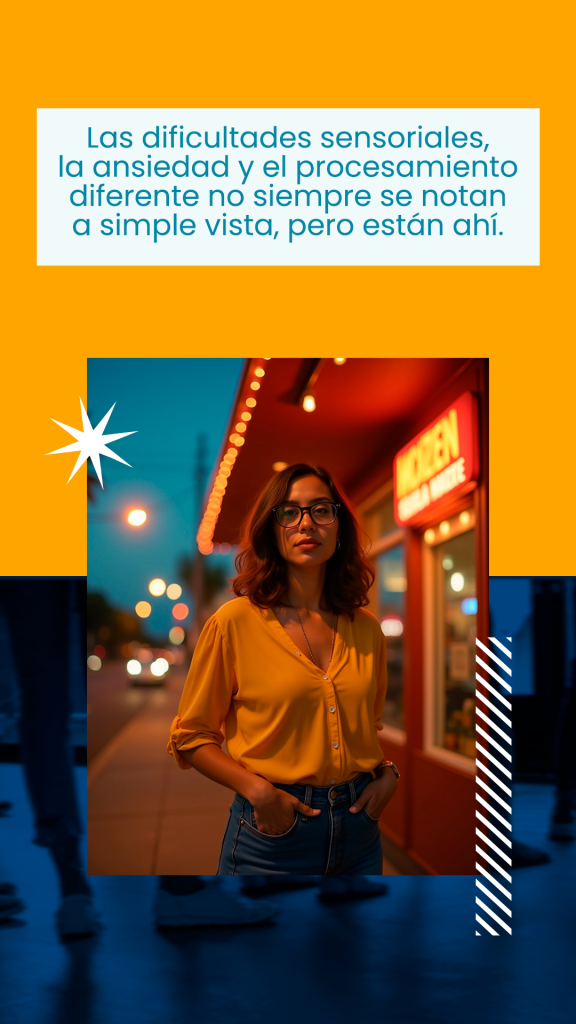
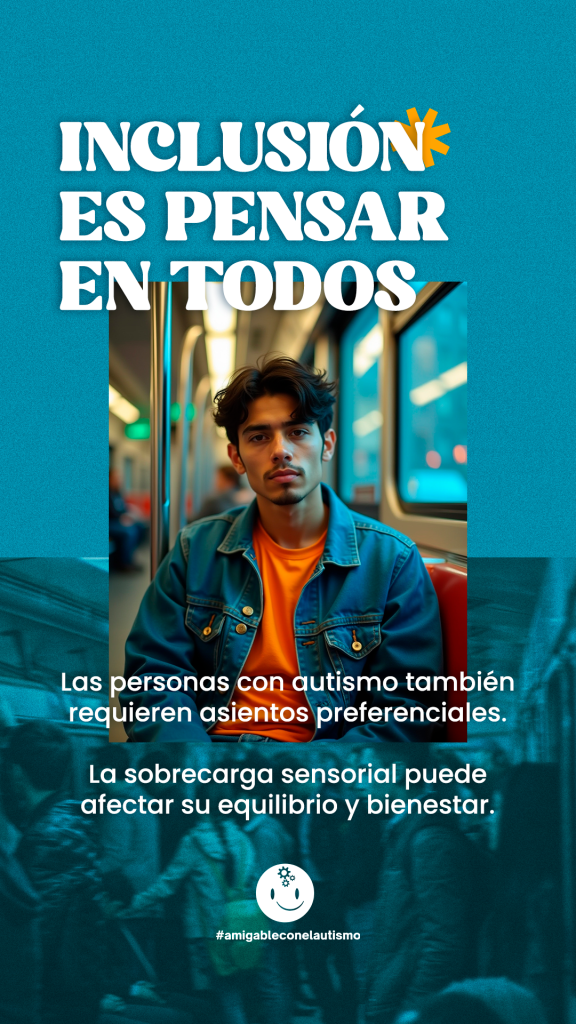
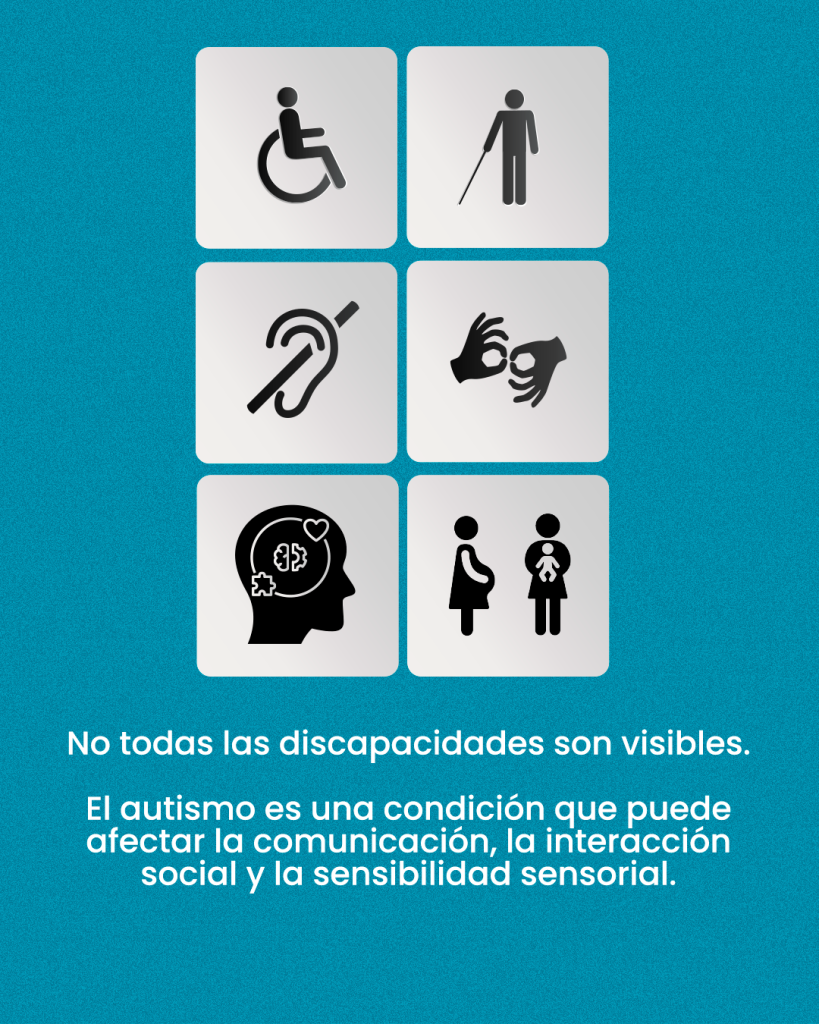
Spaces that are clearer, calmer, and easier to navigate are not only useful for autistic people. They also benefit older adults, children, people with anxiety, people with invisible disabilities, and anyone who needs more clarity or calm in a public environment.

Creative Idea

The creative idea was to show how small changes in the environment can transform stressful experiences into moments of clarity, autonomy and relief.

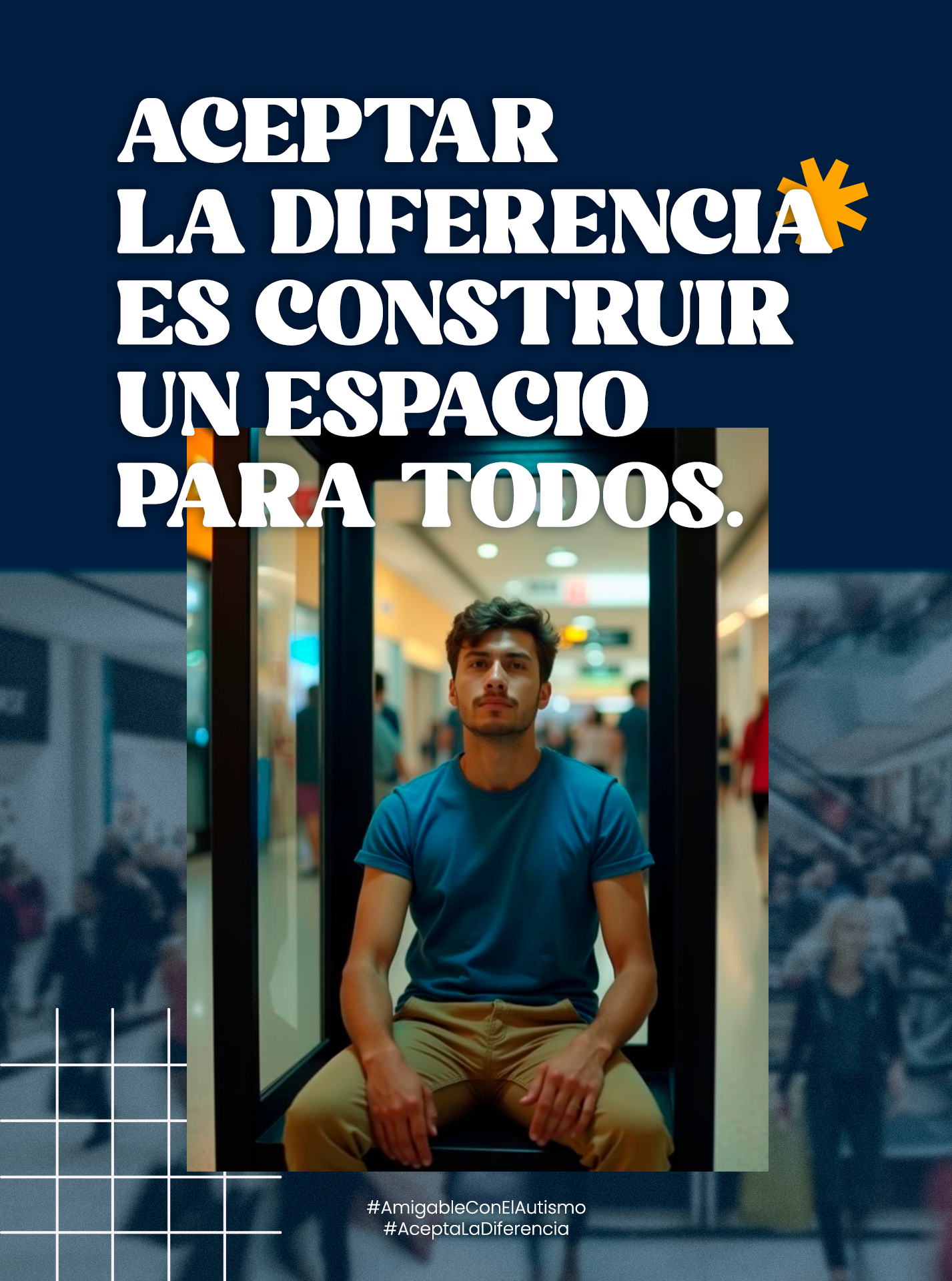
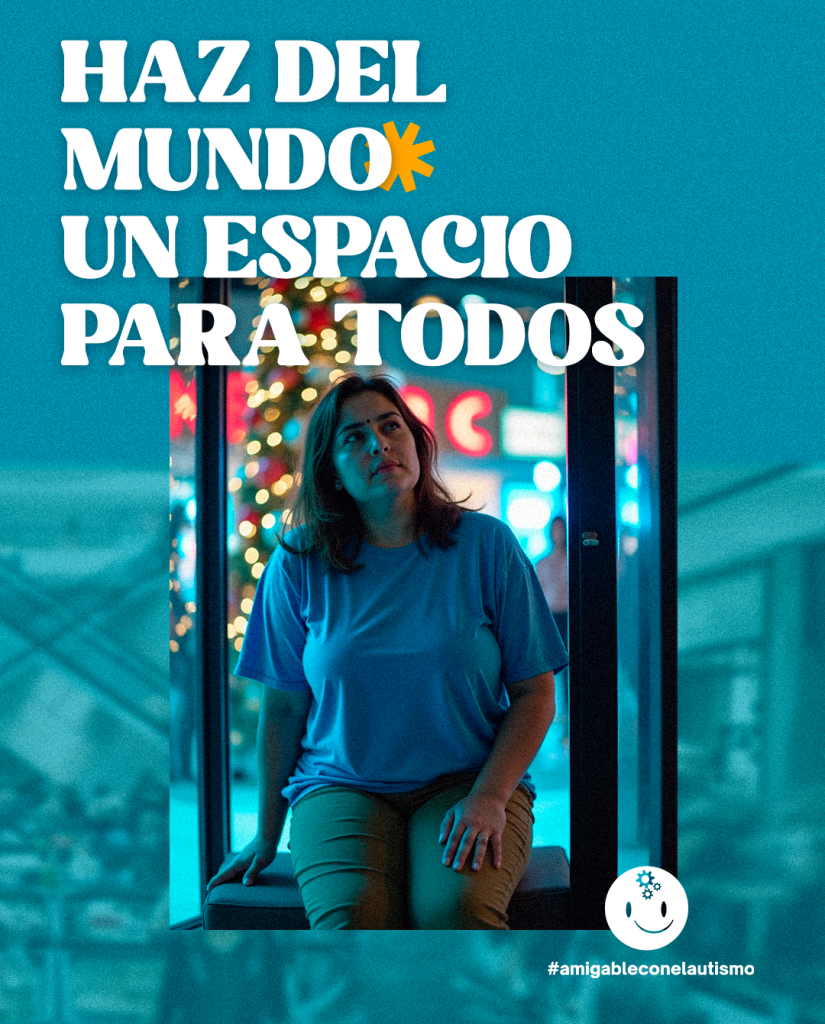
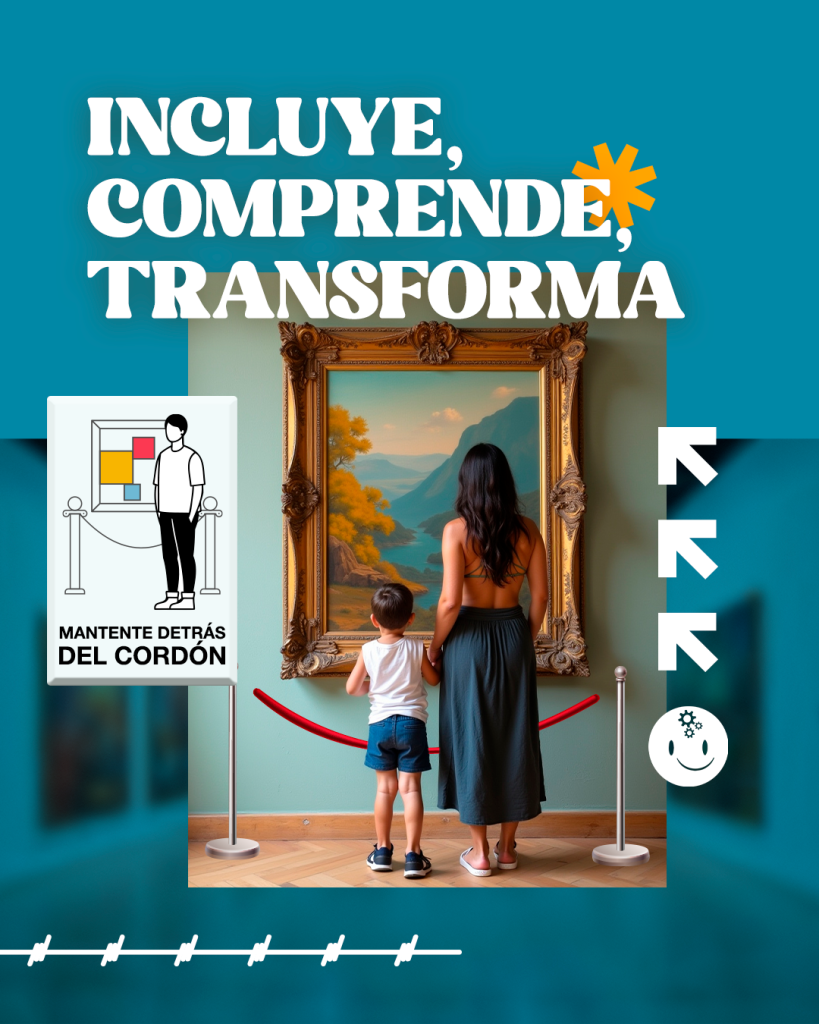
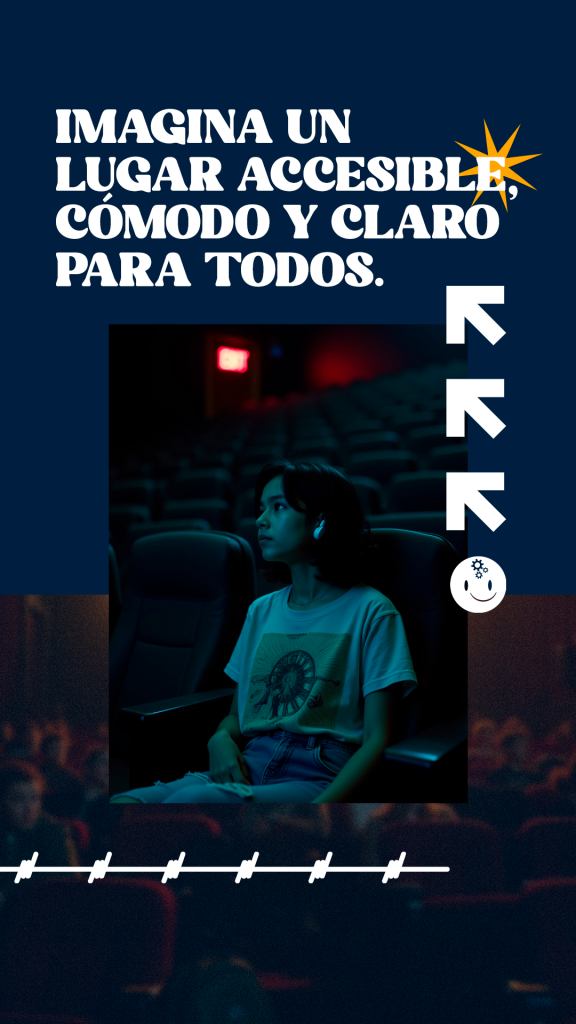
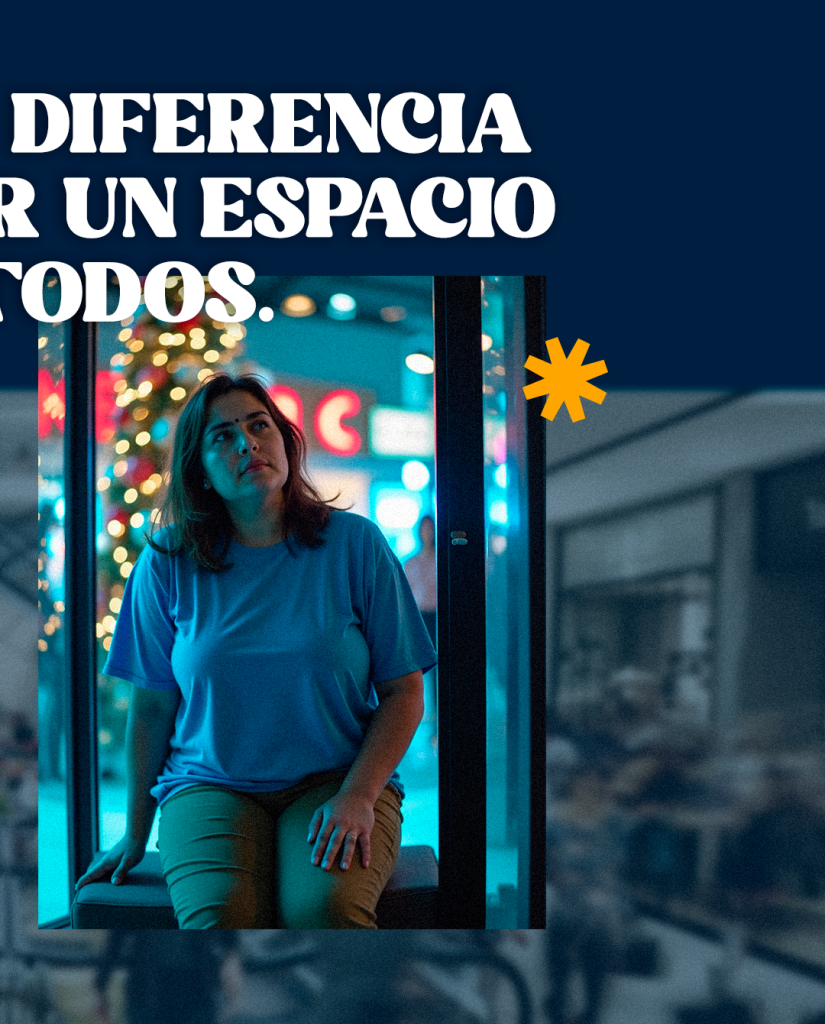
The campaign uses everyday situations — a confusing sign, a noisy mall, a long waiting line, an inaccessible bathroom, an overwhelming museum — and reframes them through simple accessibility solutions.

The message is direct: when a space becomes easier to understand, it becomes easier to inhabit.
Visual Direction

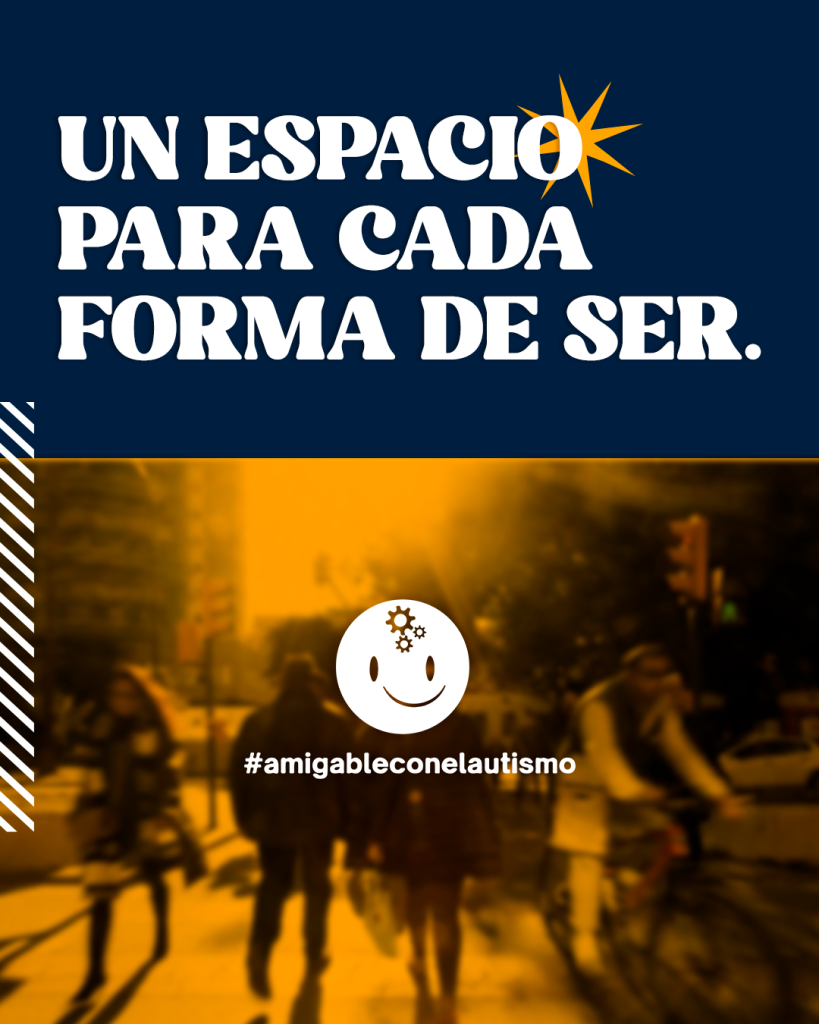
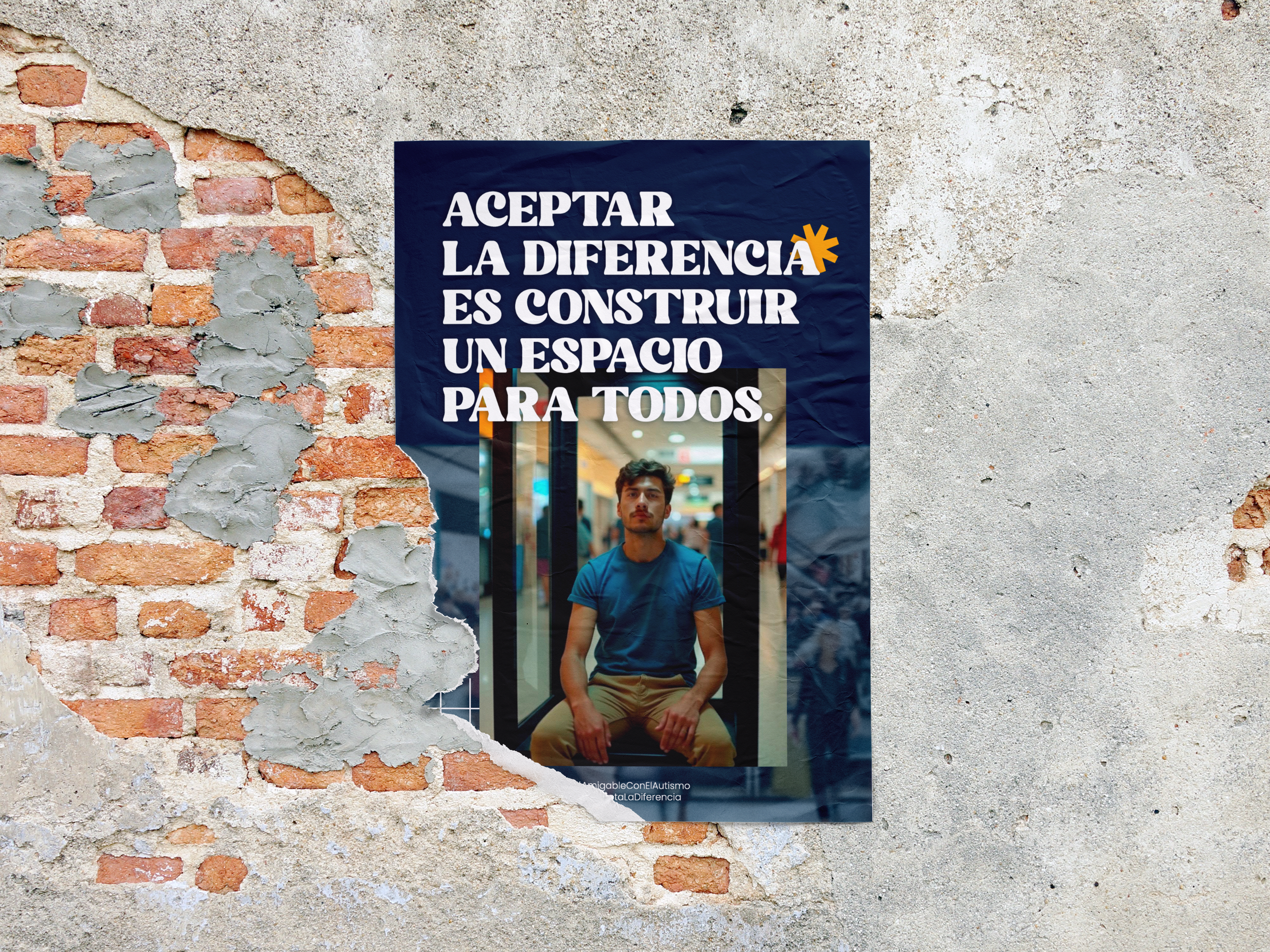
The visual system combines photography and accessible graphic language. 

The visual language is based on:

  • Simple compositions
  • Clear hierarchy
  • High legibility
  • Abstract shapes and visual metaphors
  • Blue as the main campaign color
  • Warm orange accents to add empathy and humanity

The campaign avoids portraying autism through stereotypes. Instead, it focuses on environments, situations, and small adaptations that help people understand what inclusion looks like in daily life.

The campaign was designed as a flexible social media system adaptable to Instagram, Facebook, TikTok, X and Threads.

The content structure included:

  • Static posts for awareness and key messages
  • Carousels explaining autism-friendly adaptations
  • Instagram Stories with polls and questionsReels and TikToks using stock footage and first-person narration
  • Meme-based videos to make accessibility topics more relatable
  • Educational posts around invisible disabilities
  • April 2nd content for World Autism Awareness Day

This allowed the campaign to move between emotional storytelling, educational content and social conversation while staying consistent under the same concept.

Outcome

The final proposal delivered a complete campaign platform that could live beyond a single awareness date. Instead of creating isolated posts, the campaign built a flexible communication system capable of expanding across social media, video, radio, TV and public-space activations.

Acepta la Diferencia turns autism awareness into a broader invitation: to design spaces with more empathy, more clarity and more room for every way of being.