LA Metro

Reimagining Public Transit as a Cultural Discovery Platform

Category :

Concept ideation
Art Direction

Client :

LA Metro

Start Date :

January 2026

Context

Los Angeles Metro serves millions of riders every year, yet most transit communication focuses exclusively on navigation and functionality. This concept explored how Metro could become a platform for cultural discovery, helping riders connect with neighborhoods, destinations, and experiences across the city.

The Opportunity: Public transportation is more than infrastructure. It is often the first point of contact between people and the city around them. How might Metro help riders experience Los Angeles beyond simply getting from point A to point B?

Insight

Every station tells a different story. Every neighborhood offers a unique cultural identity. By connecting transit routes with local destinations, Metro can transform daily commuting into a journey of discovery.

Concept

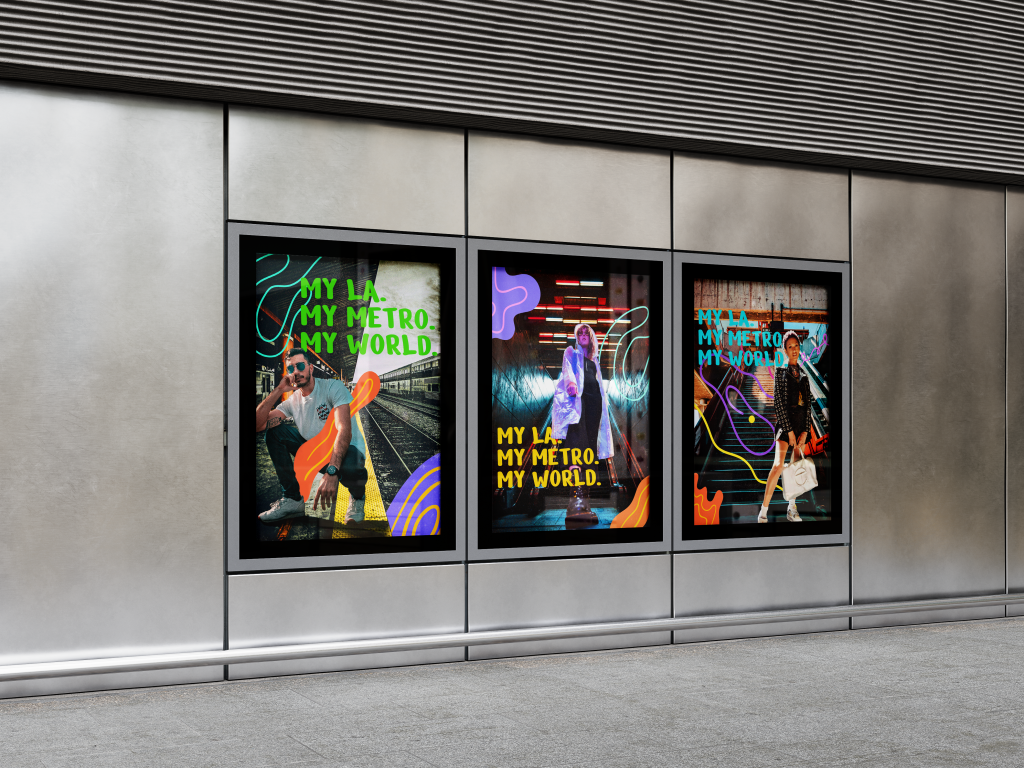
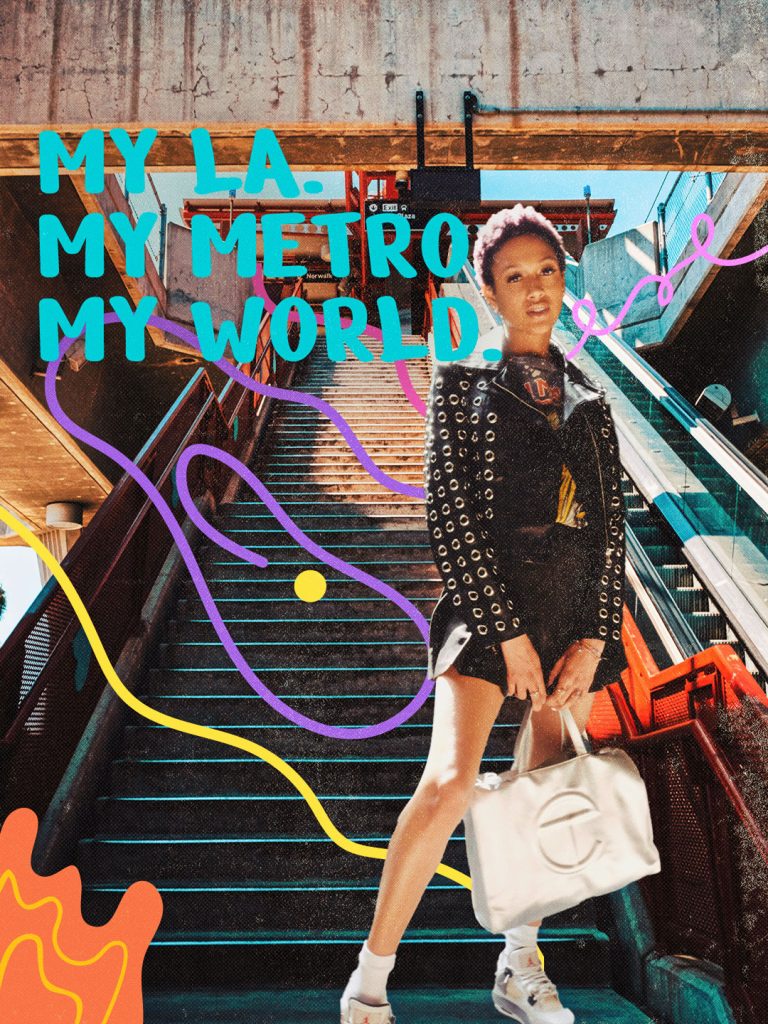
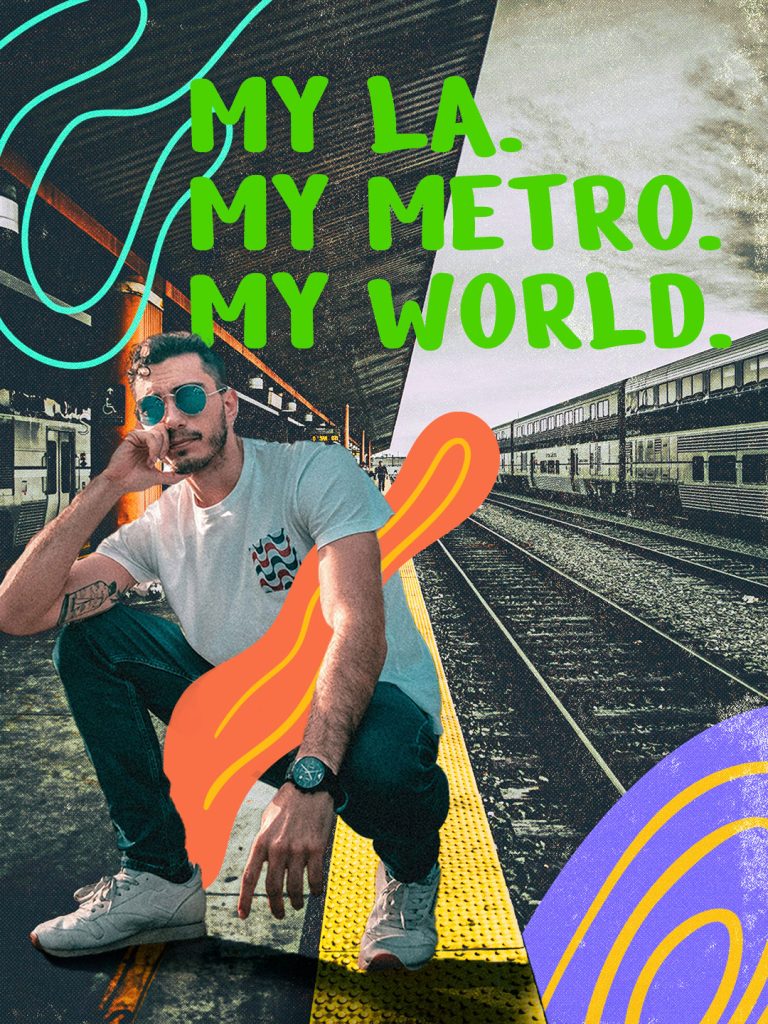
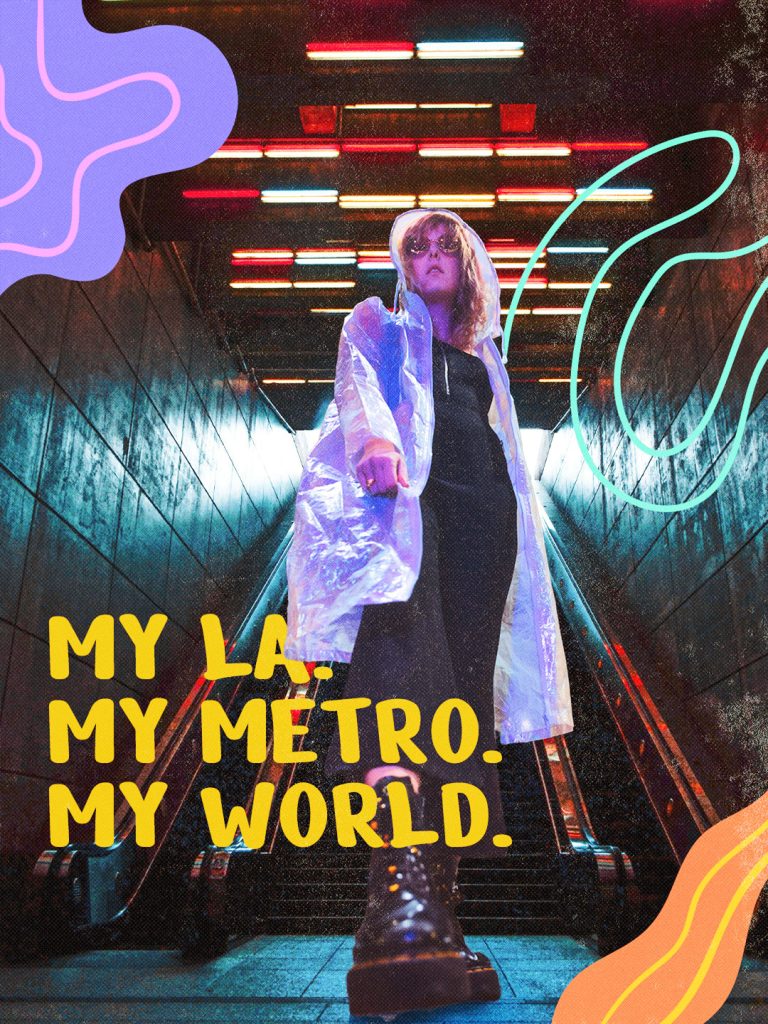
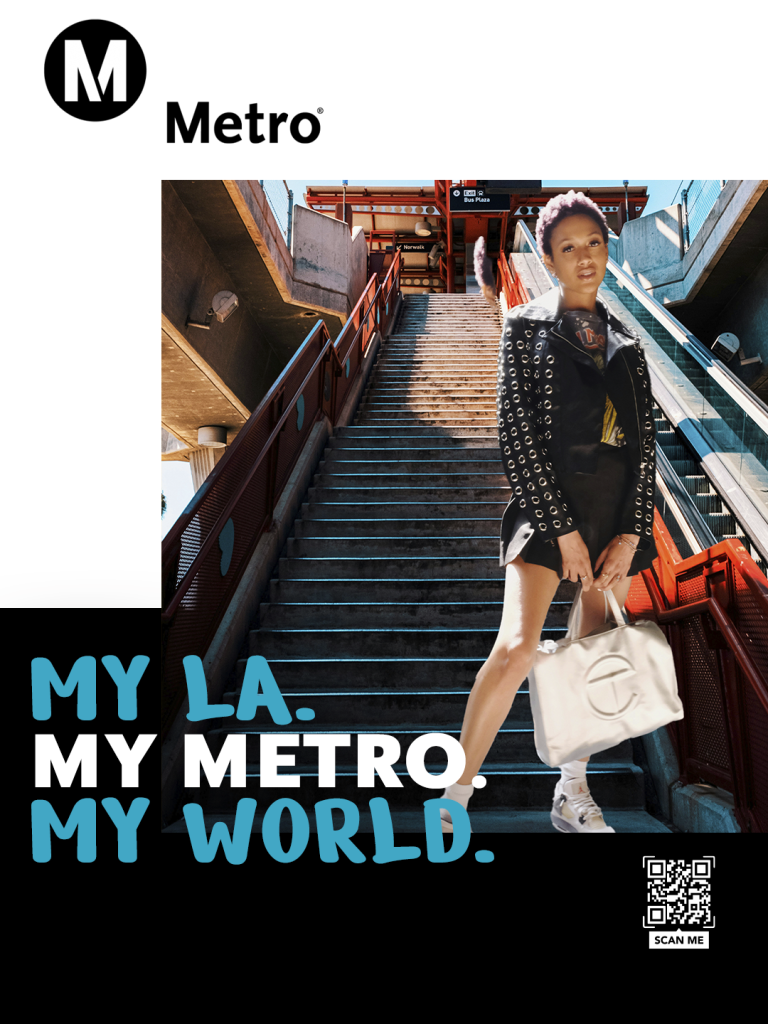
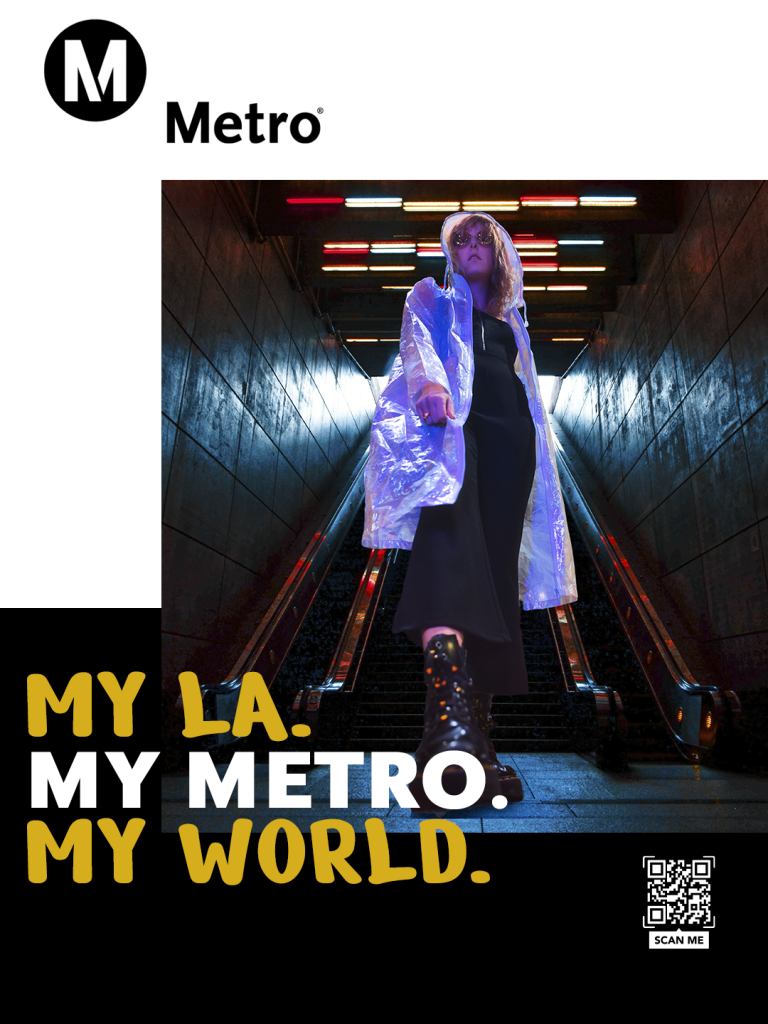
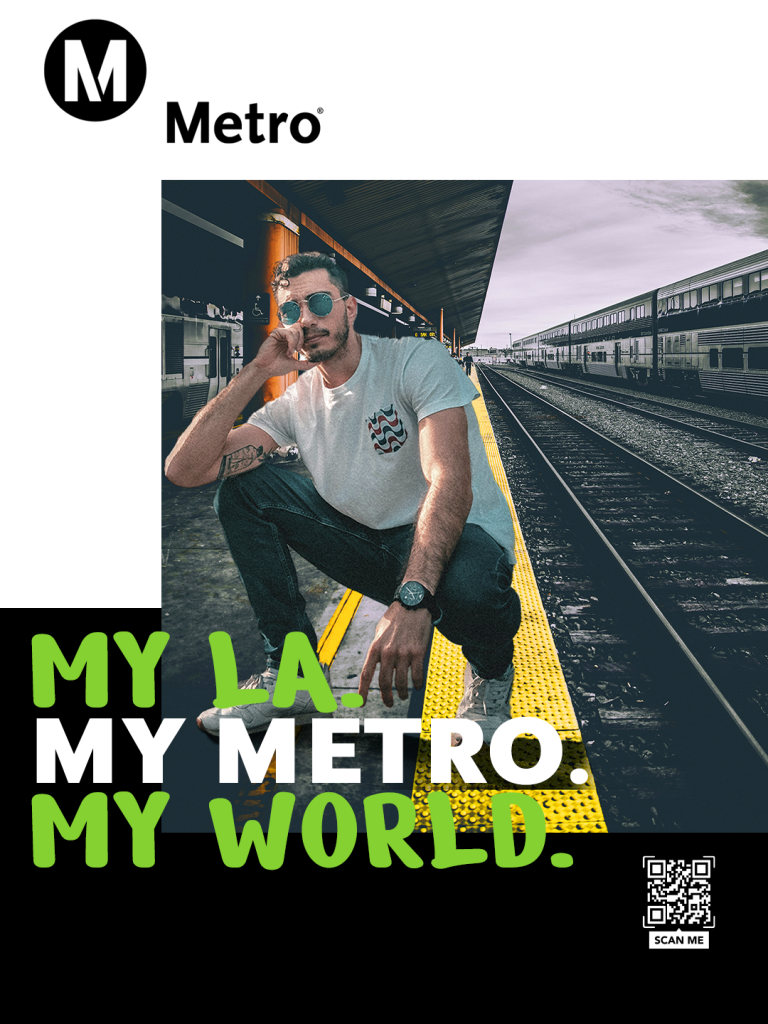
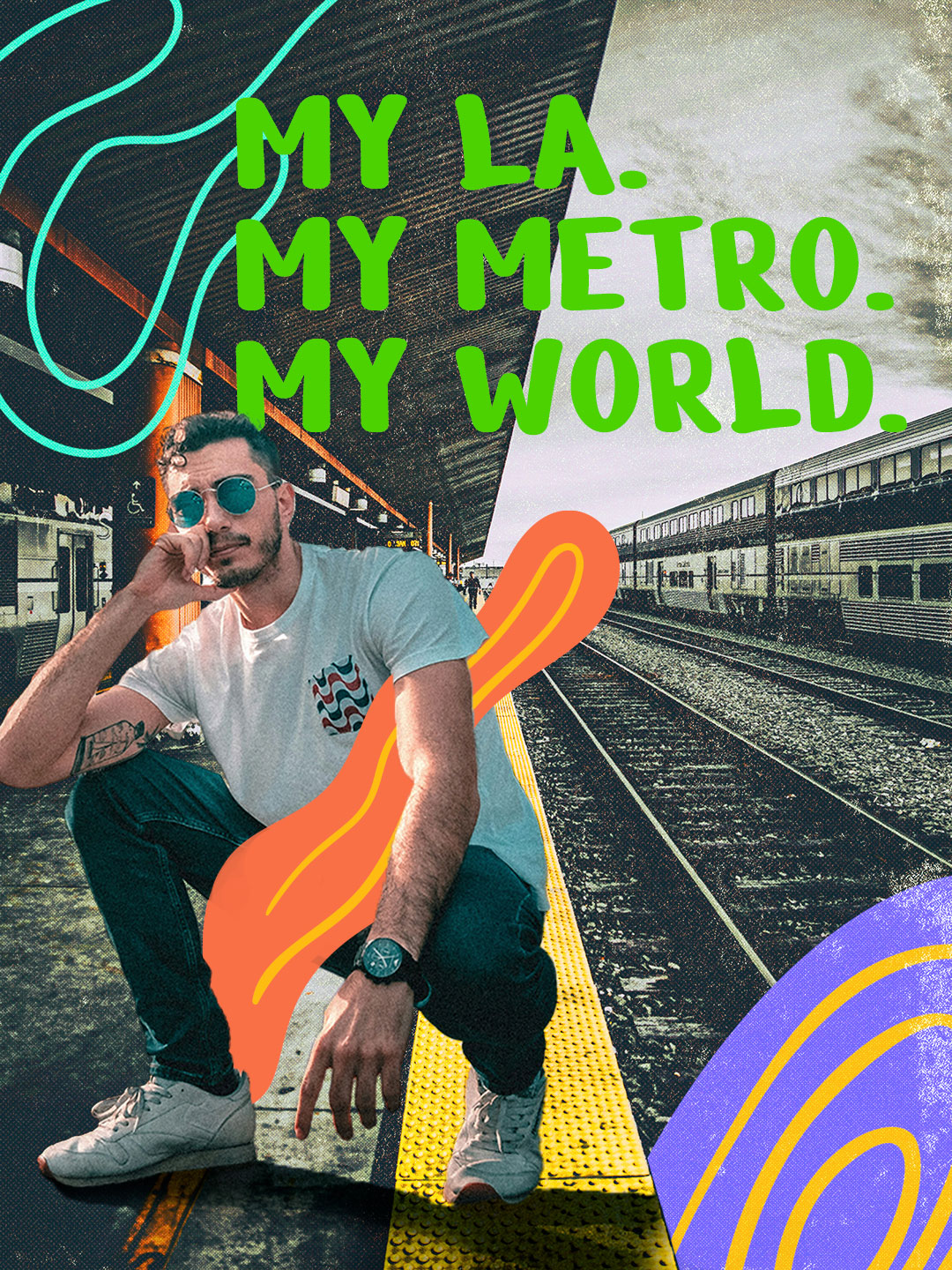
My LA. My Metro. My World.

A flexible communication platform designed to connect riders with the people, neighborhoods, landmarks, and experiences that define Los Angeles.

The system celebrates exploration while reinforcing Metro’s role as a gateway to the city.

Applications

  • Station takeovers
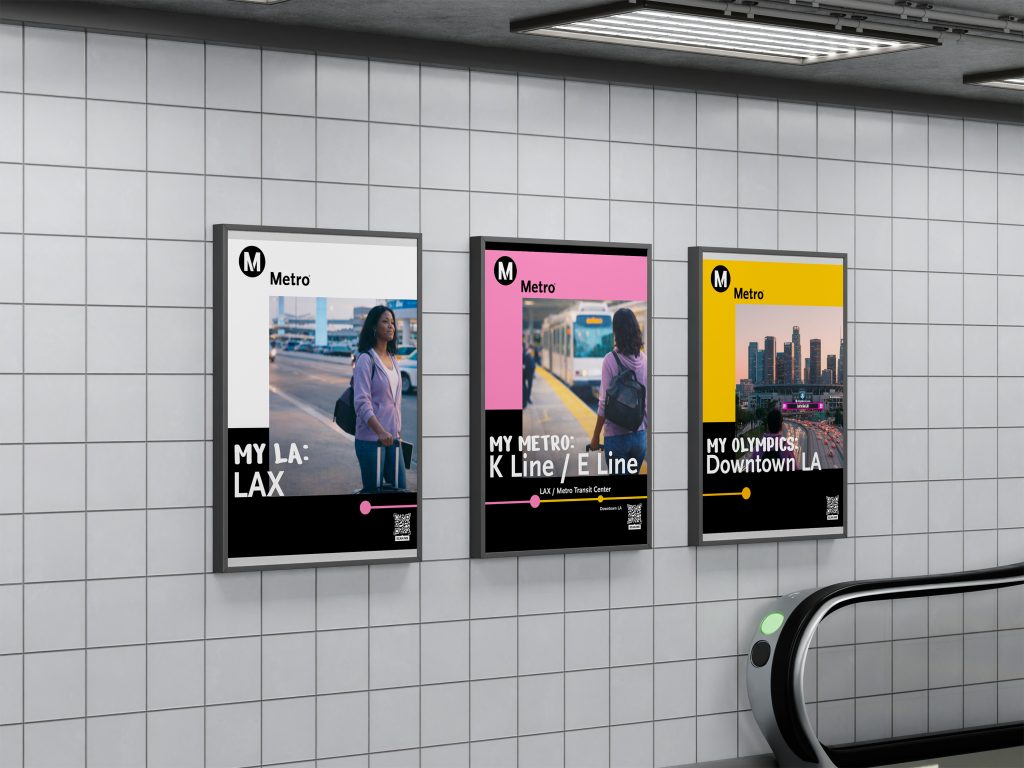
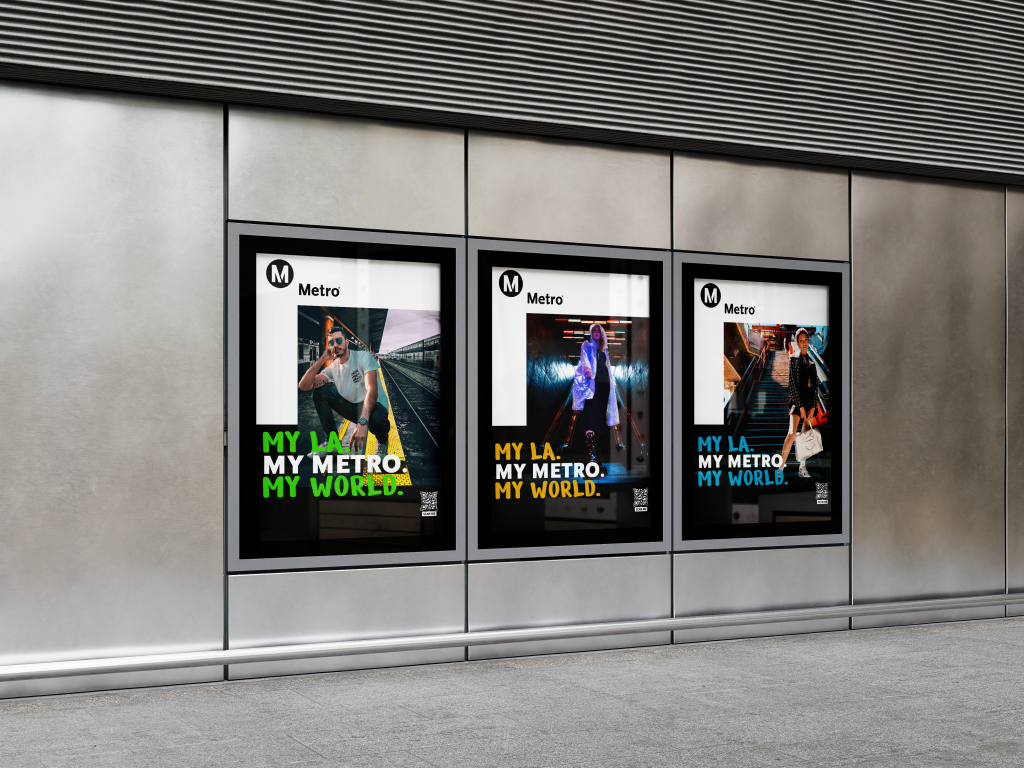
  • Platform posters
  • Neighborhood guides
  • Train interiors
  • Digital screens
  • QR-driven destination content
  • Olympic visitor experiences

Outcome

Presented to LA Metro stakeholders as a speculative concept exploring new ways to connect public transit, local culture, and city exploration.

The project demonstrates how a transportation network can evolve beyond navigation to become a meaningful cultural touchpoint.

Design Exploration

01. Emotional Brand Platform
(My LA. My Metro. My World.)

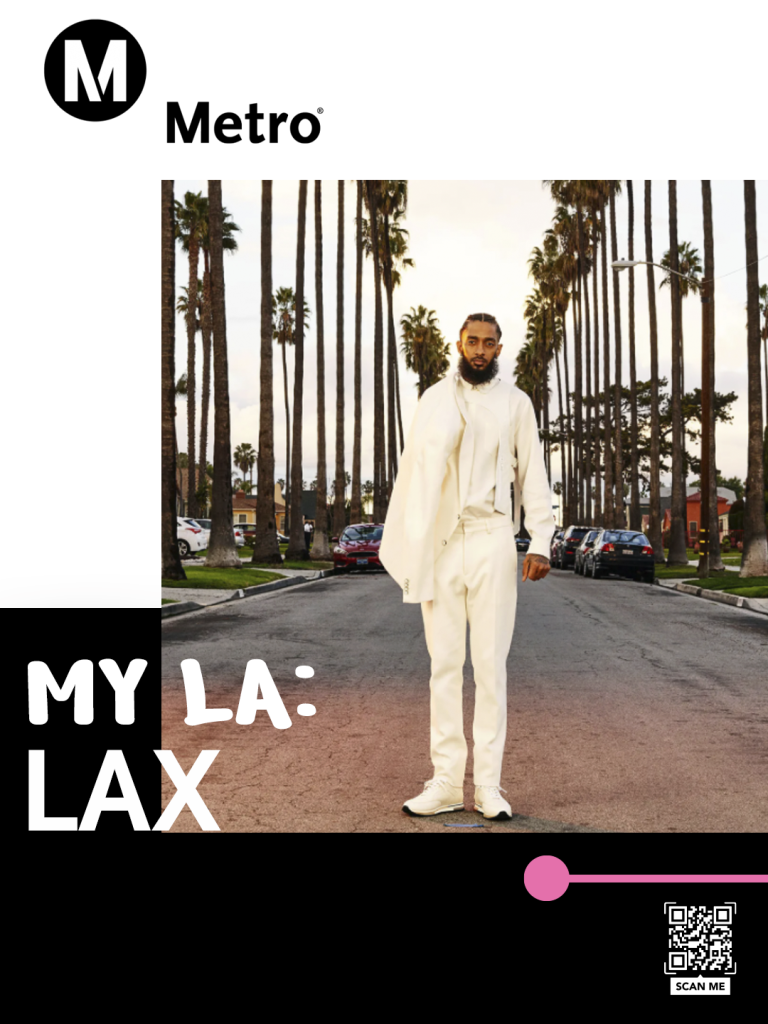
The visual language was designed to feel energetic, optimistic, and distinctly urban, combining Olympic-inspired motion with LA Metro’s existing transit environment.

The system needed to remain highly visible, adaptable, and accessible across multiple physical formats.
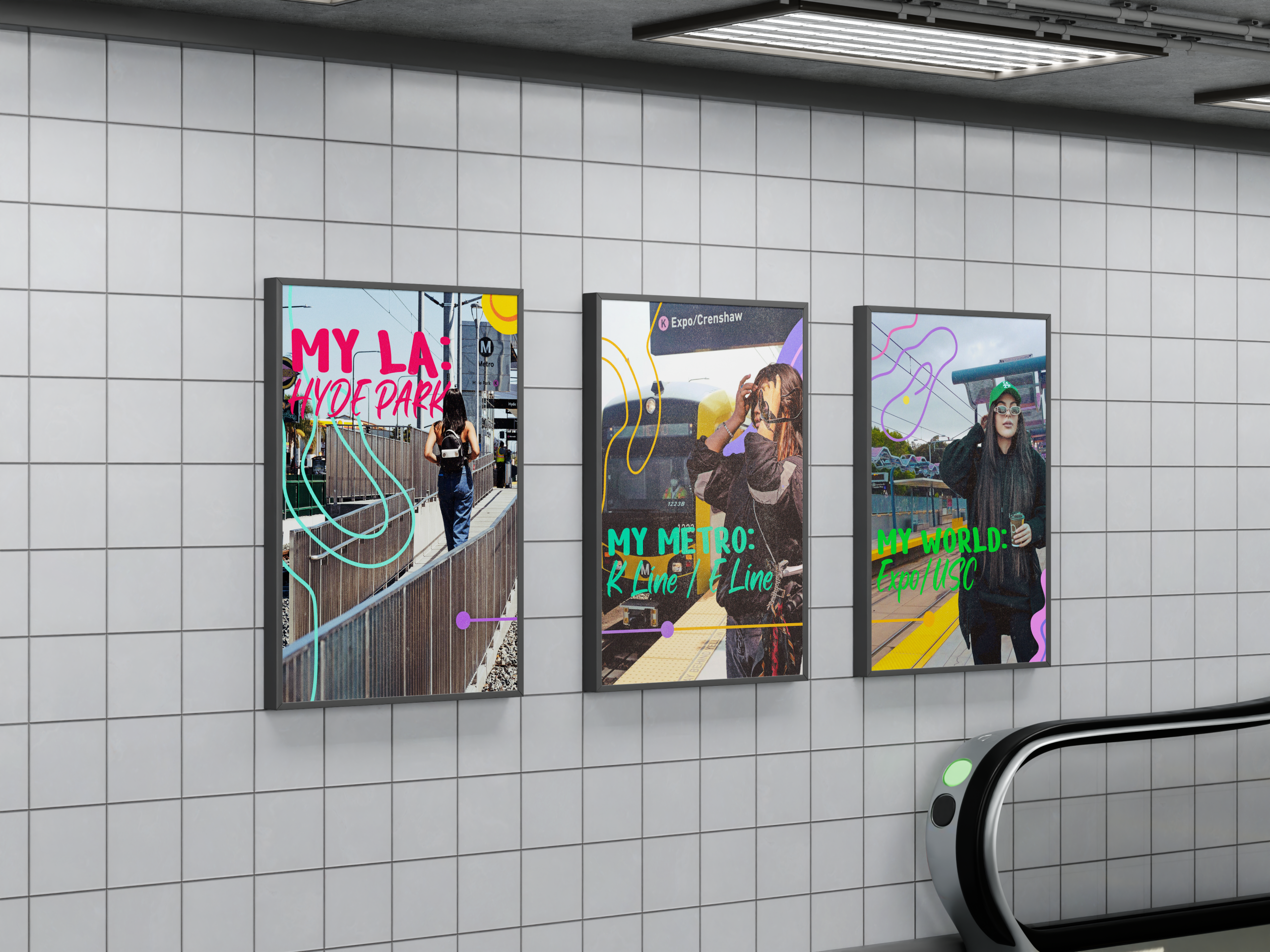
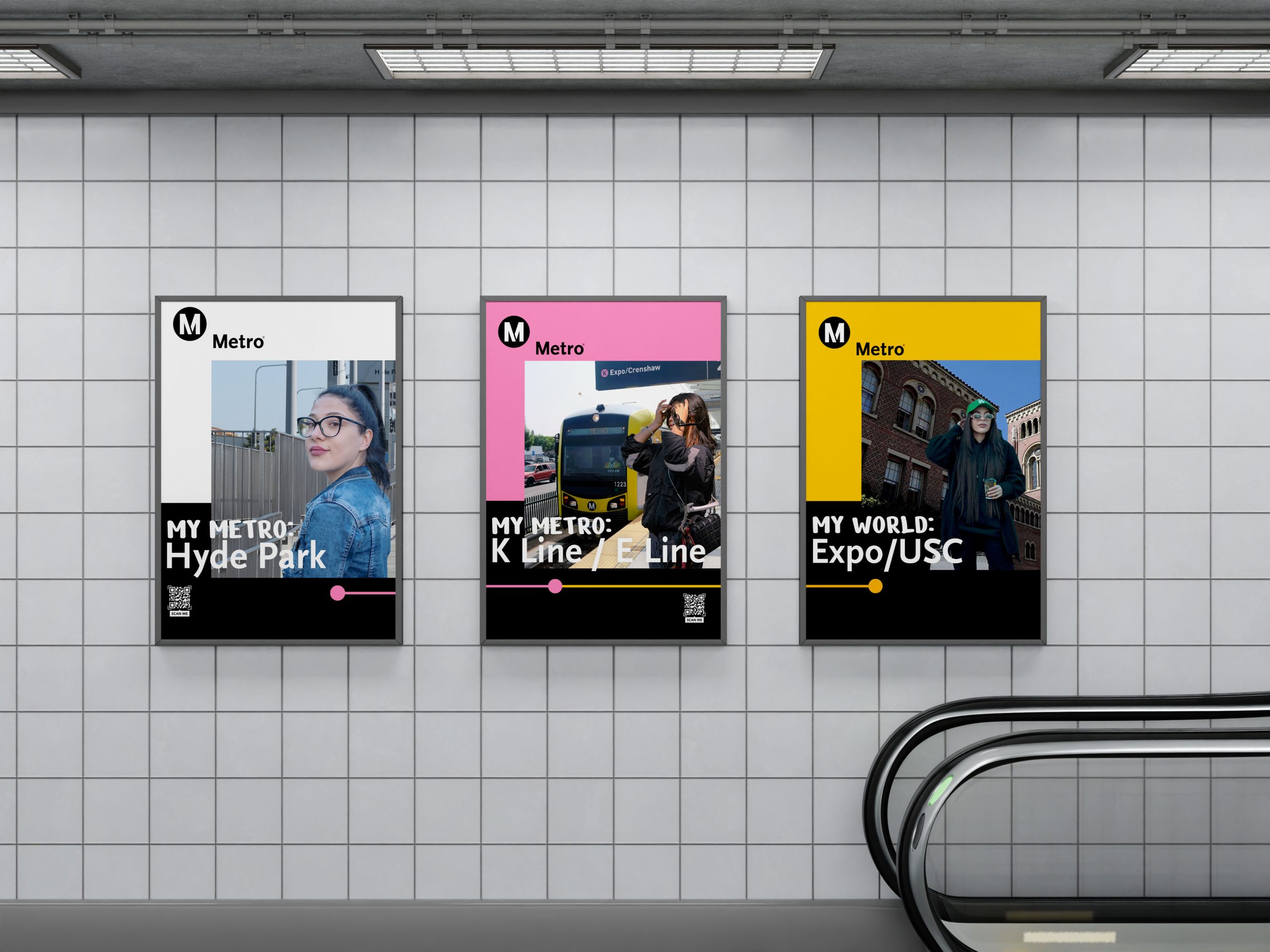
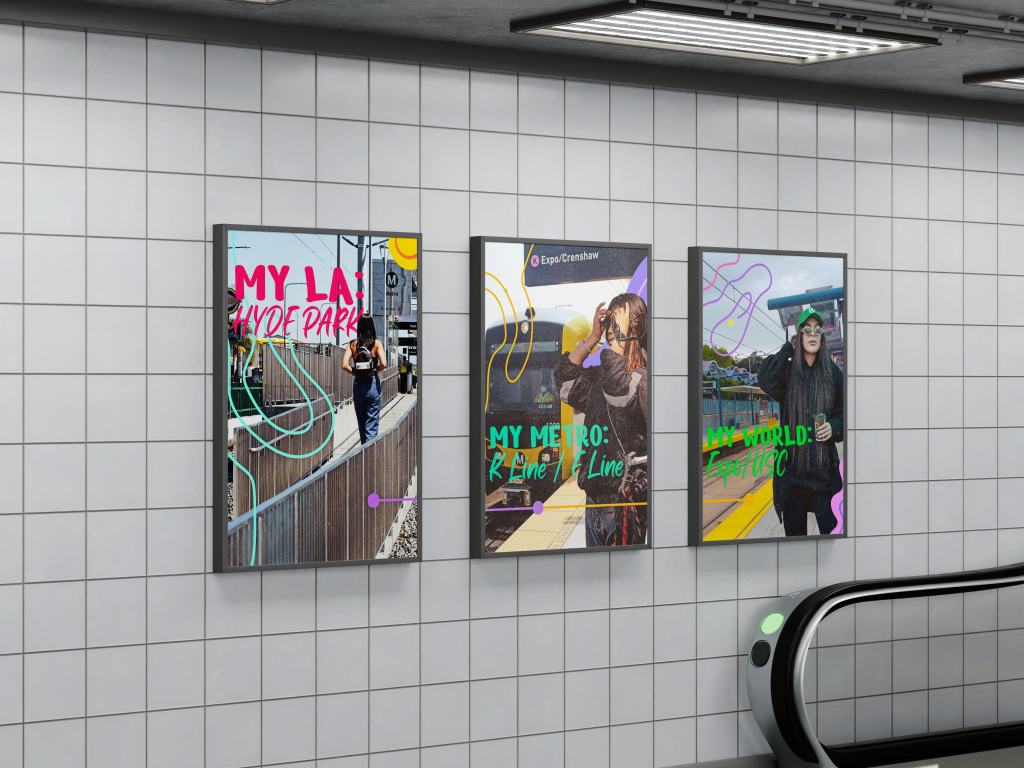
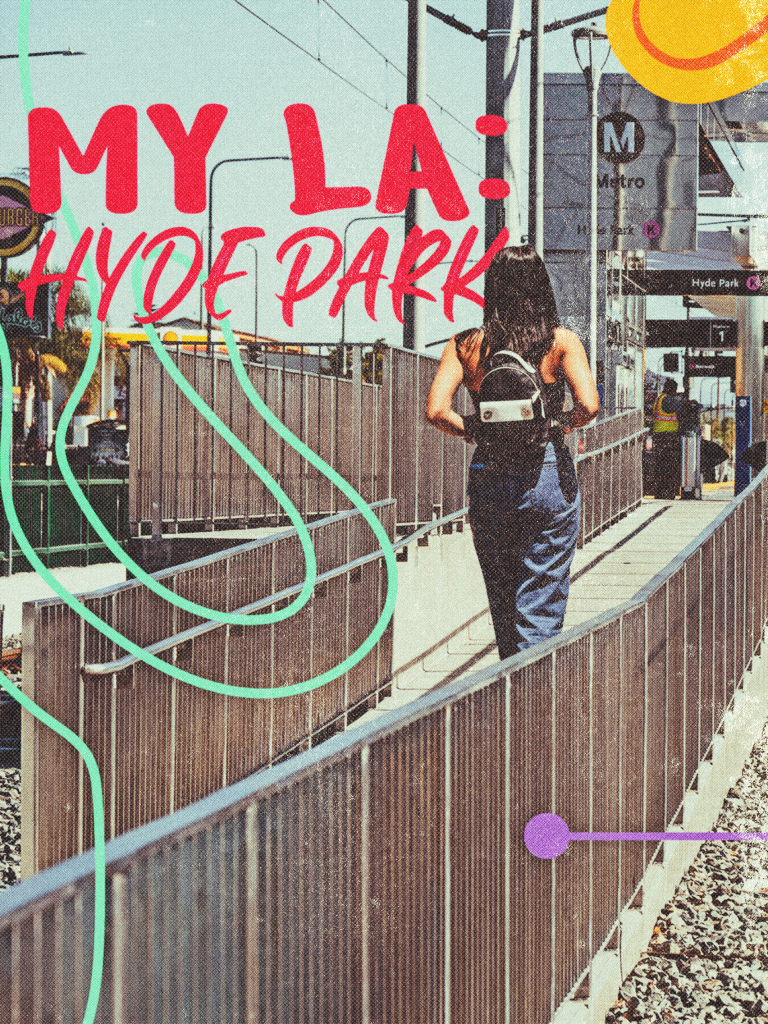
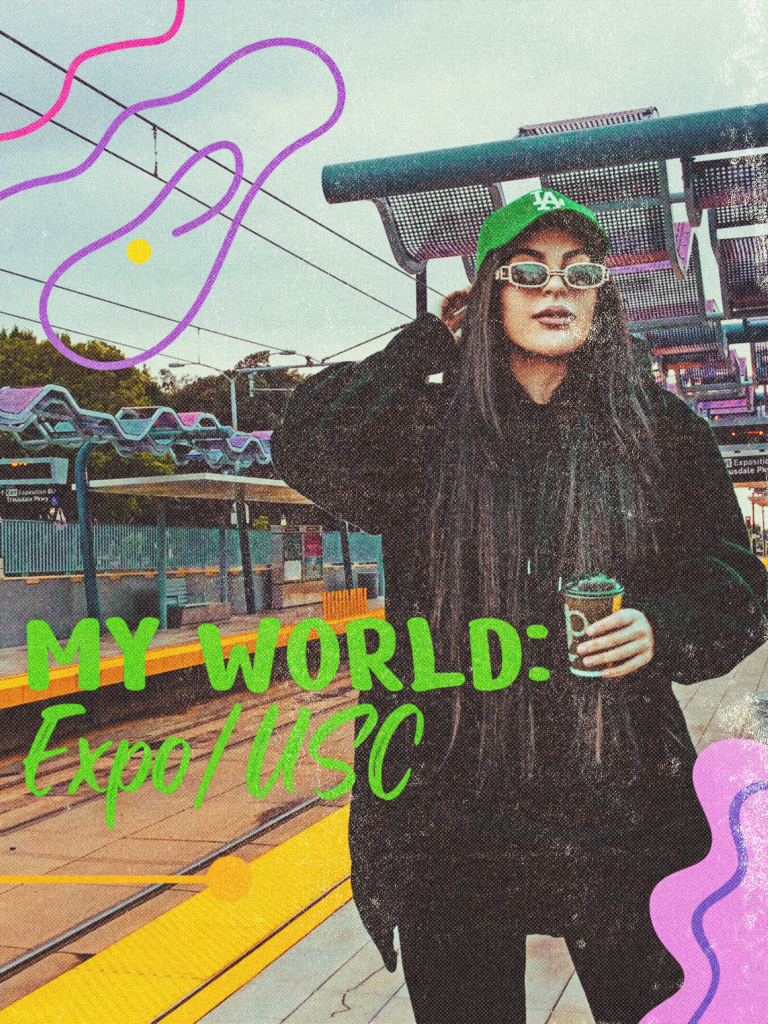
02 . Neighborhood Discovery System
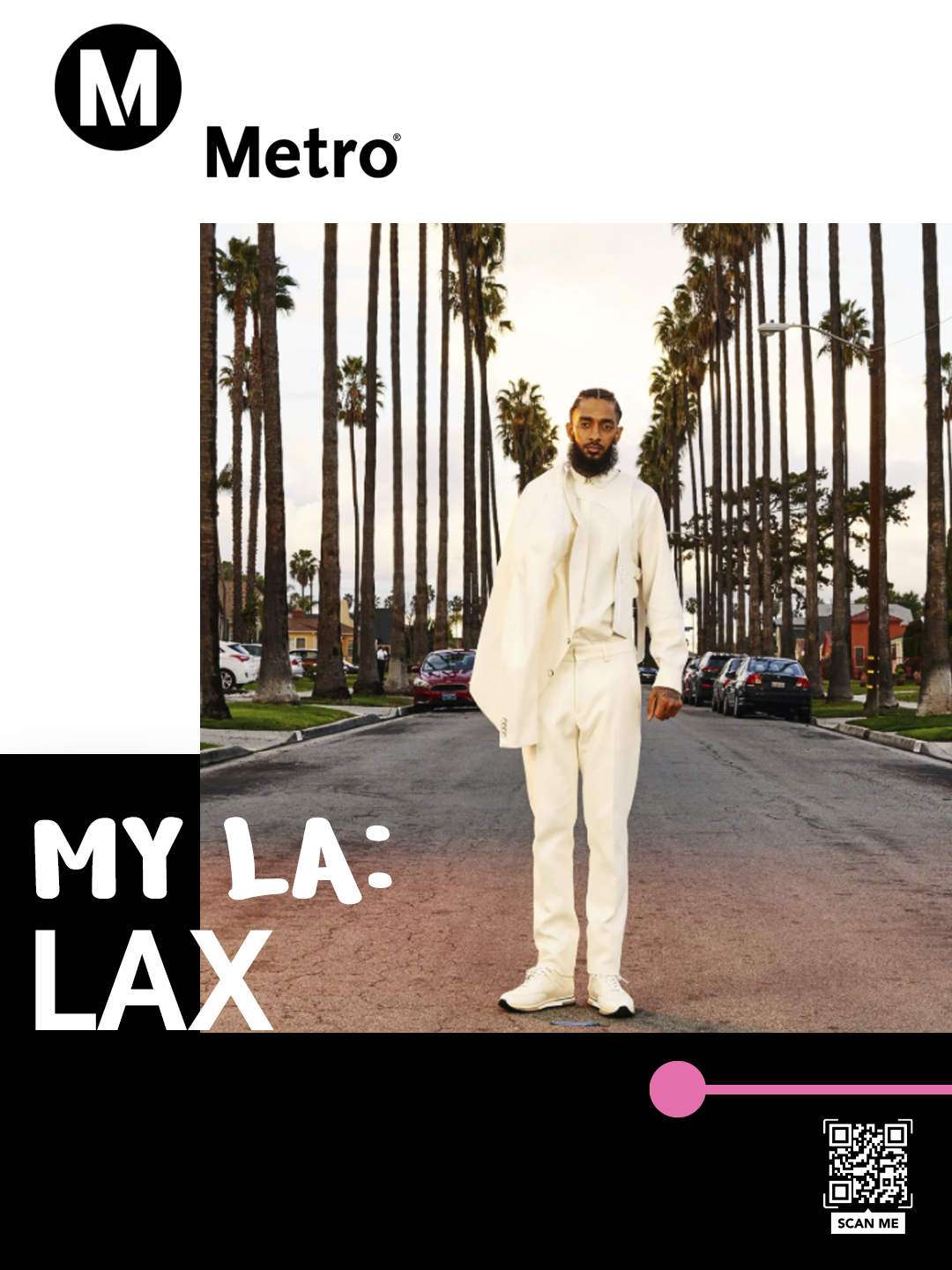
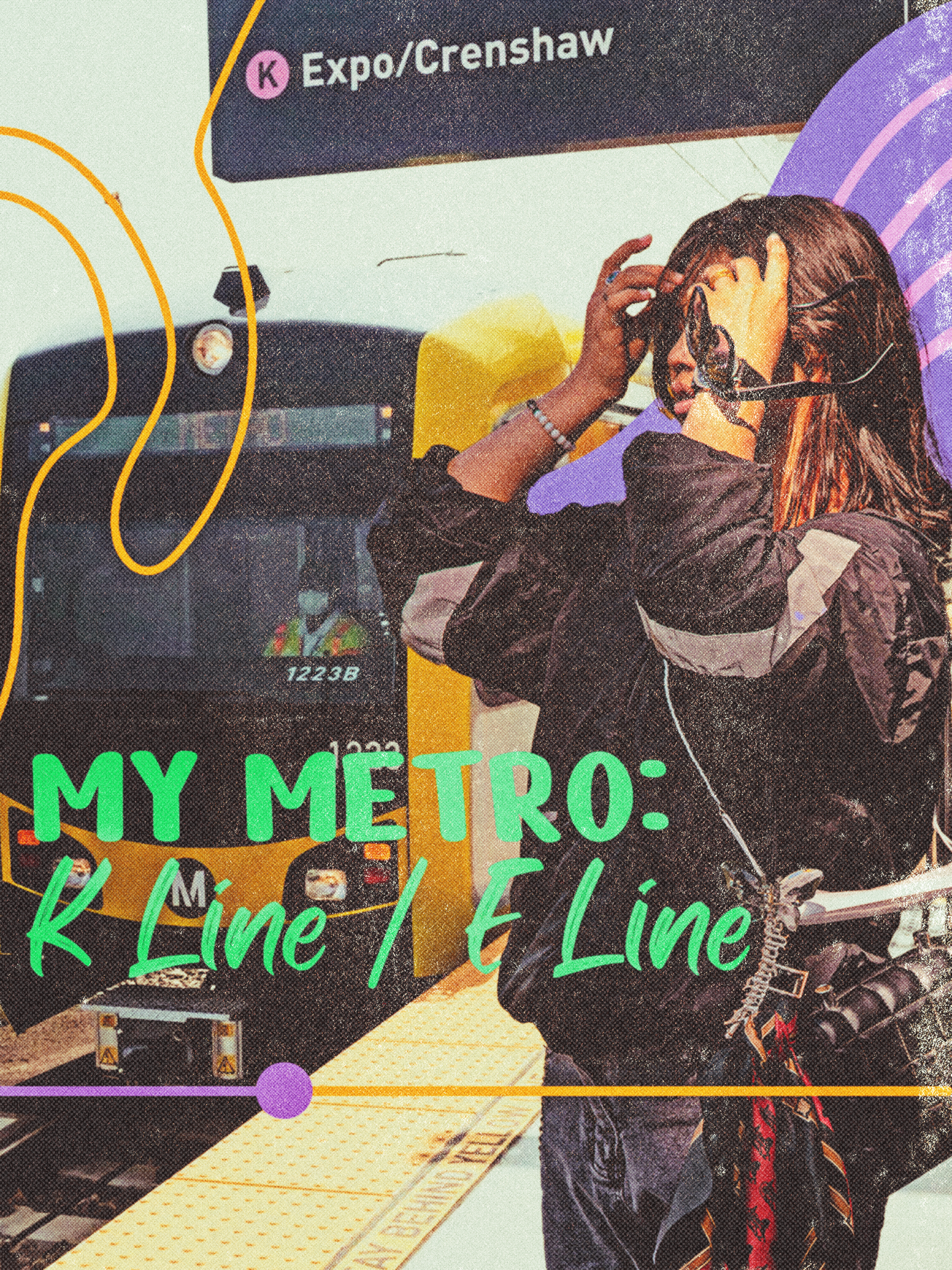
(Hyde Park / Expo USC / etc.)

The idea:

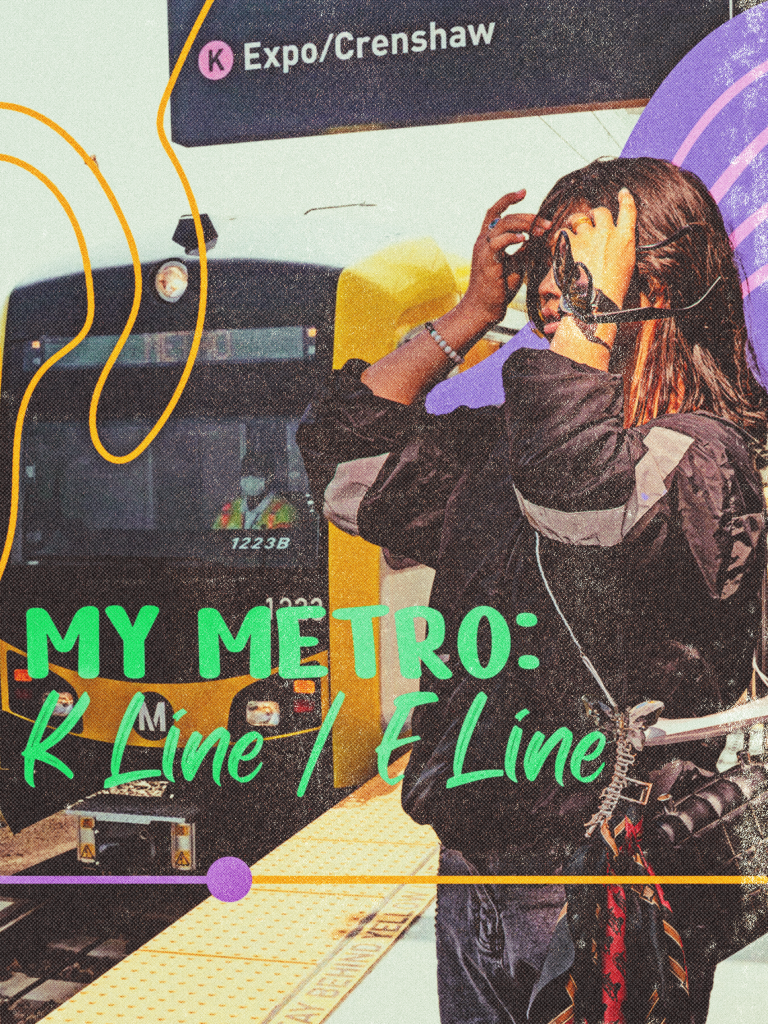
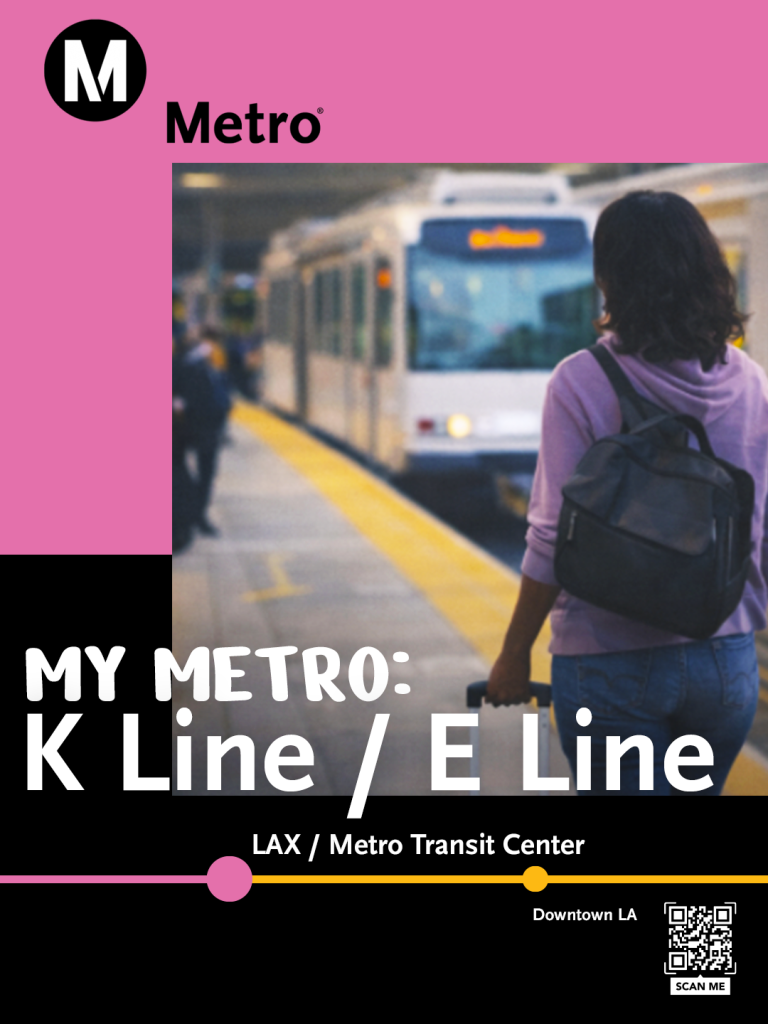
To generate a shared sense of pride in the Metro system, we’ll show how actual locals take it.

How we’ll do it:

Using street style photography and video documentary, we’ll follow the journeys of metro riders who take the trains to get to destinations that are indicative of global places. From students reaching their potential, to local explorers who want to discover new sights within the city. 

Why this works:

With real subjects being photographed on actual routes we can utilize behavior modeling. By showing clear defined routes, fellow Angelenos using the trains, and highlighting local destinations that represent our own brand of global entertainment, people’s curiosities can be piqued, and their experiences can be satisfied.

03. Transit Information Layer

The idea:

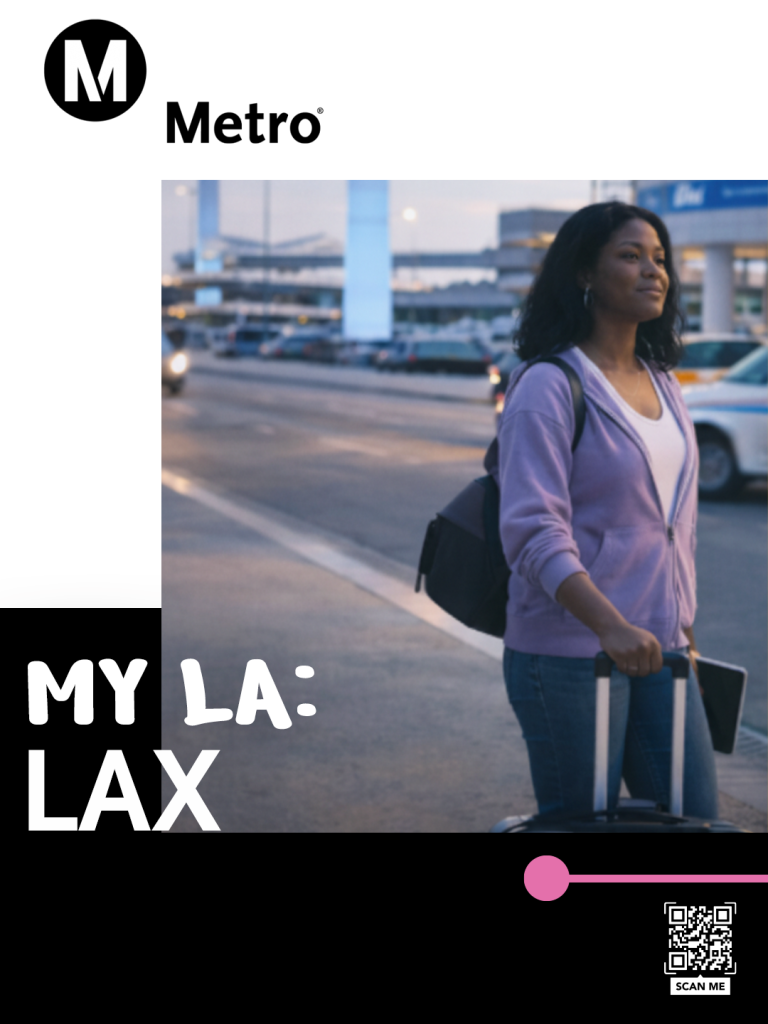
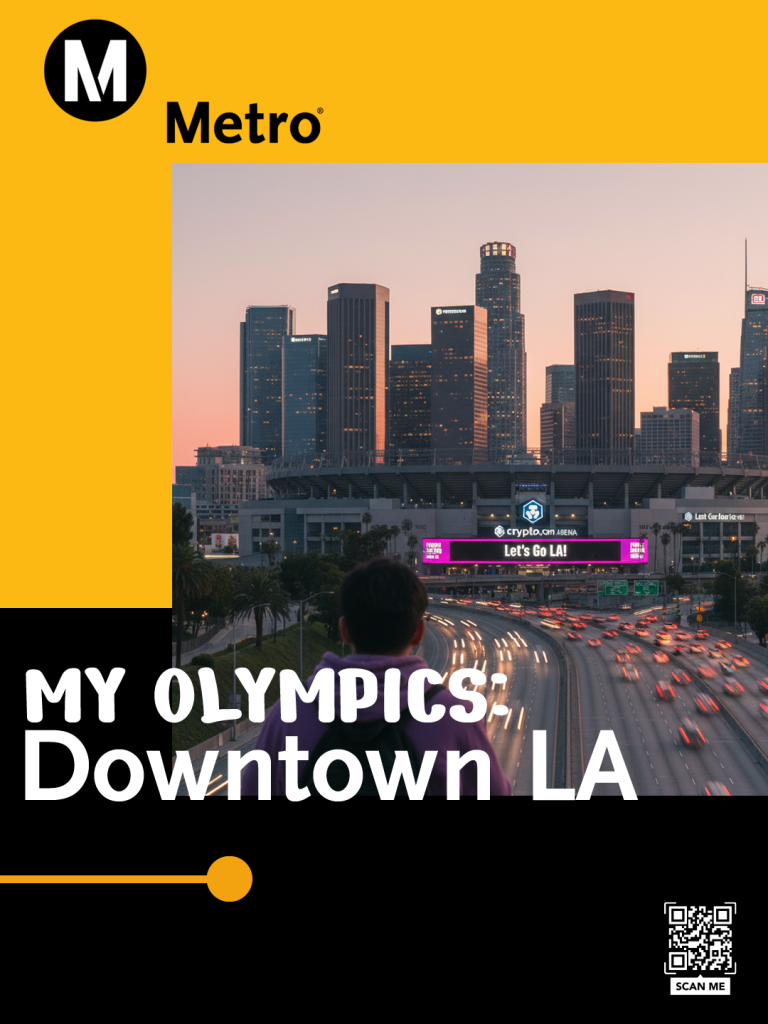
A remix of “My LA. My Metro. My World.” This signage will focus on the Olympics and how locals can utilize Metro to get to their favorite events.

How we’ll do it:

Using data, we can find out which sport events are generating the most buzz for locals. We can then plot out routes for them to take to venues based on interests. Not to mention putting a big OOH display outside LAX, so that visitors can see it as well and find out how to get to the Opening Ceremonies.

Why this works:

By starting to give ideas to locals about where venues for the Olympics will be/how to get to them, they can start planning out routes and also trying the system out years beforehand, allowing them to get a sense of Metro.

Design System

The proposal was developed as a flexible visual system capable of scaling across:

  • Stations
  • Trains
  • Signage
  • Digital screens
  • Outdoor media
  • Temporary installations
  • Event communications

Experience Applications

Station Interventions

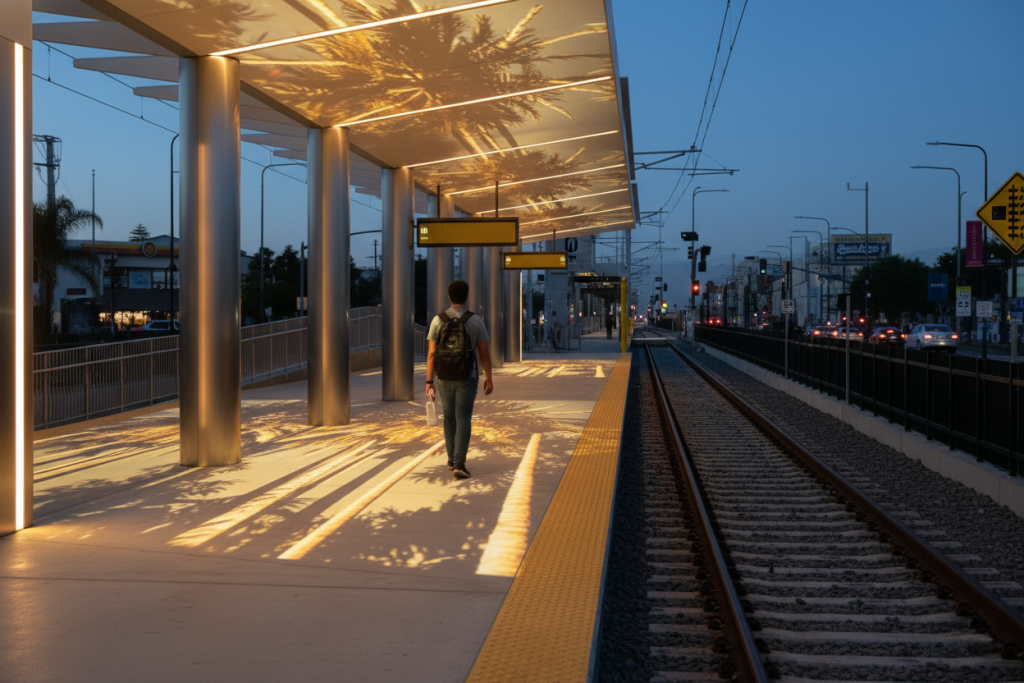
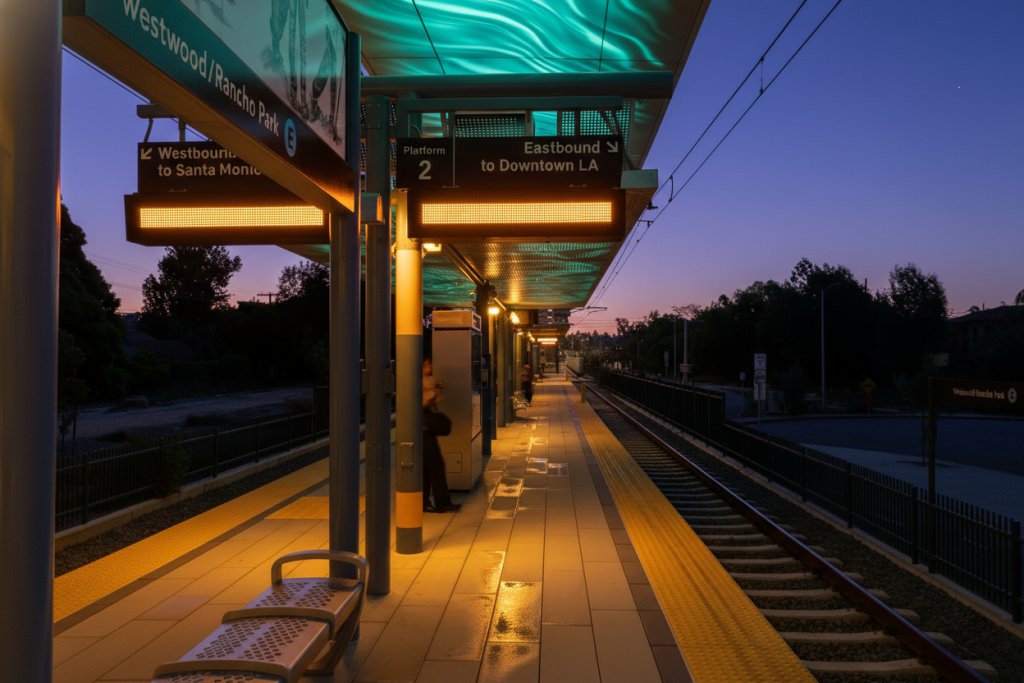
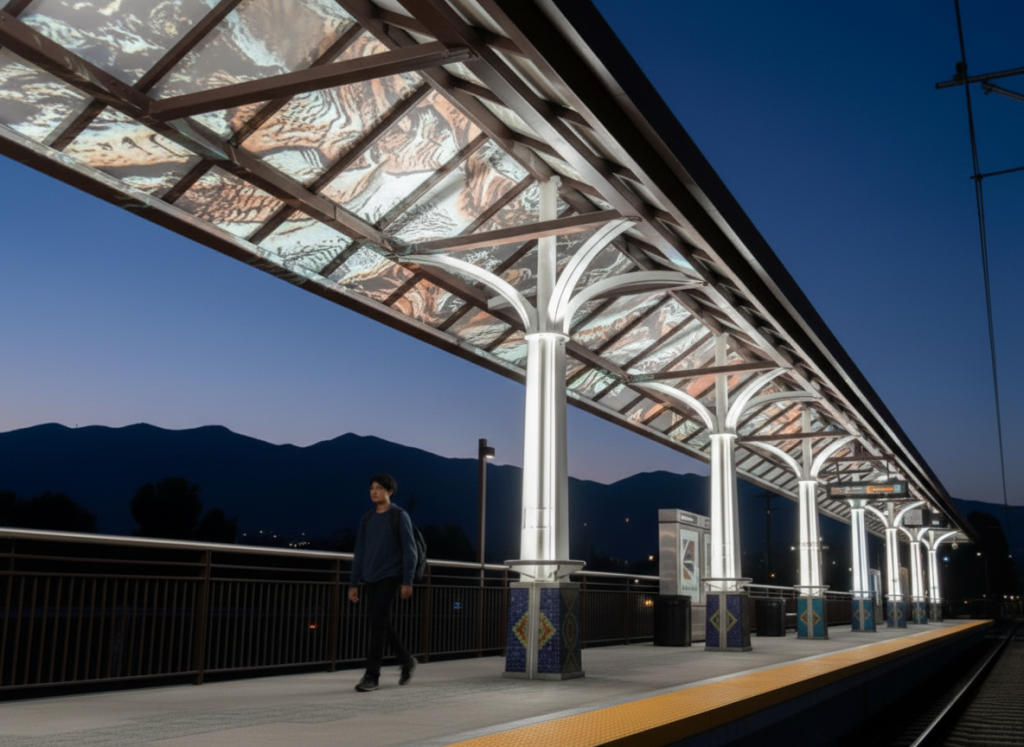
Large-scale environmental graphics designed to guide, inform, and celebrate movement throughout the city.

Train Wraps

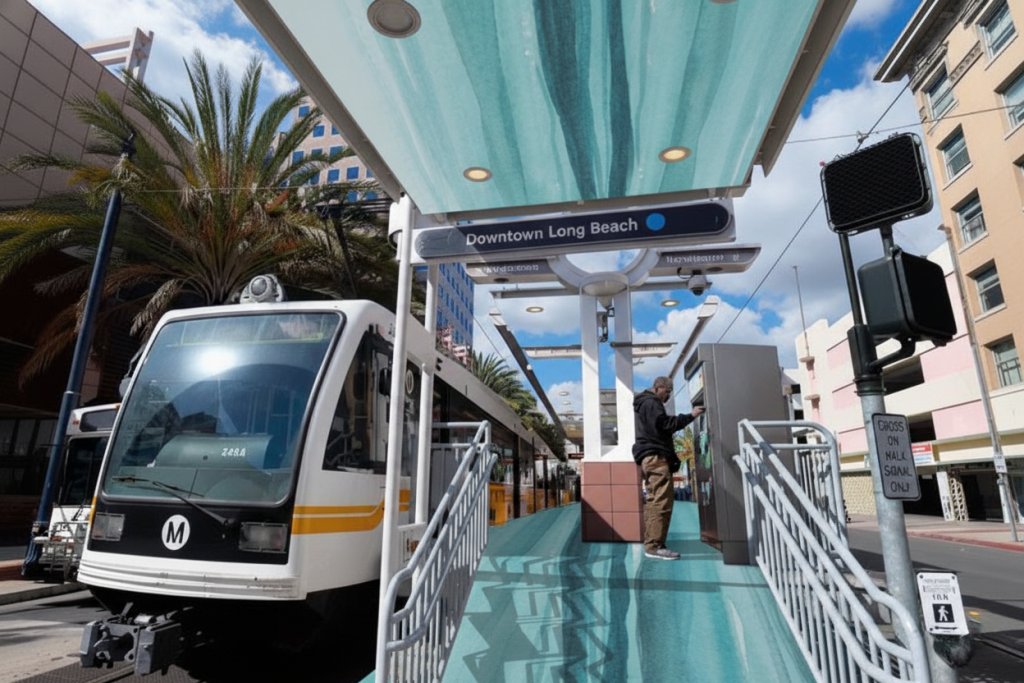
Olympic-inspired train graphics that transformed vehicles into moving brand experiences.

Wayfinding Moments

Functional signage integrated with storytelling elements to improve navigation while reinforcing the campaign concept

Interactive Touchpoints

Conceptual activations intended to encourage participation, discovery, and engagement throughout the transit network.

Key Takeaways

  • Designing for public spaces requires balancing emotion and functionality.
  • Strong concepts must work as systems, not isolated executions.
  • Large-scale environments demand consistency across multiple touchpoints.
  • Transit networks can become meaningful cultural experiences, not just transportation systems.